The Intelligence Between Us
Reflections from Arup Design School
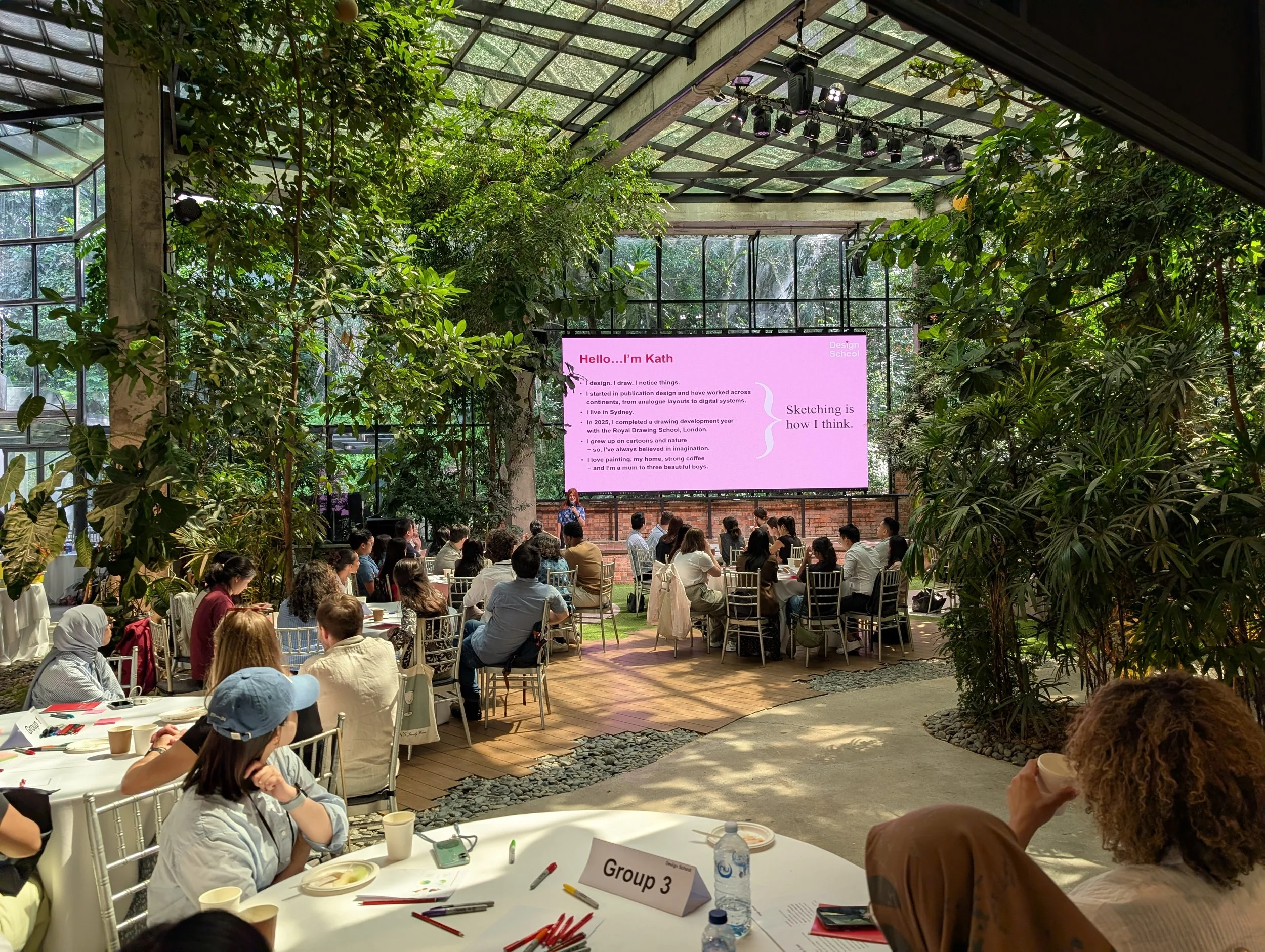
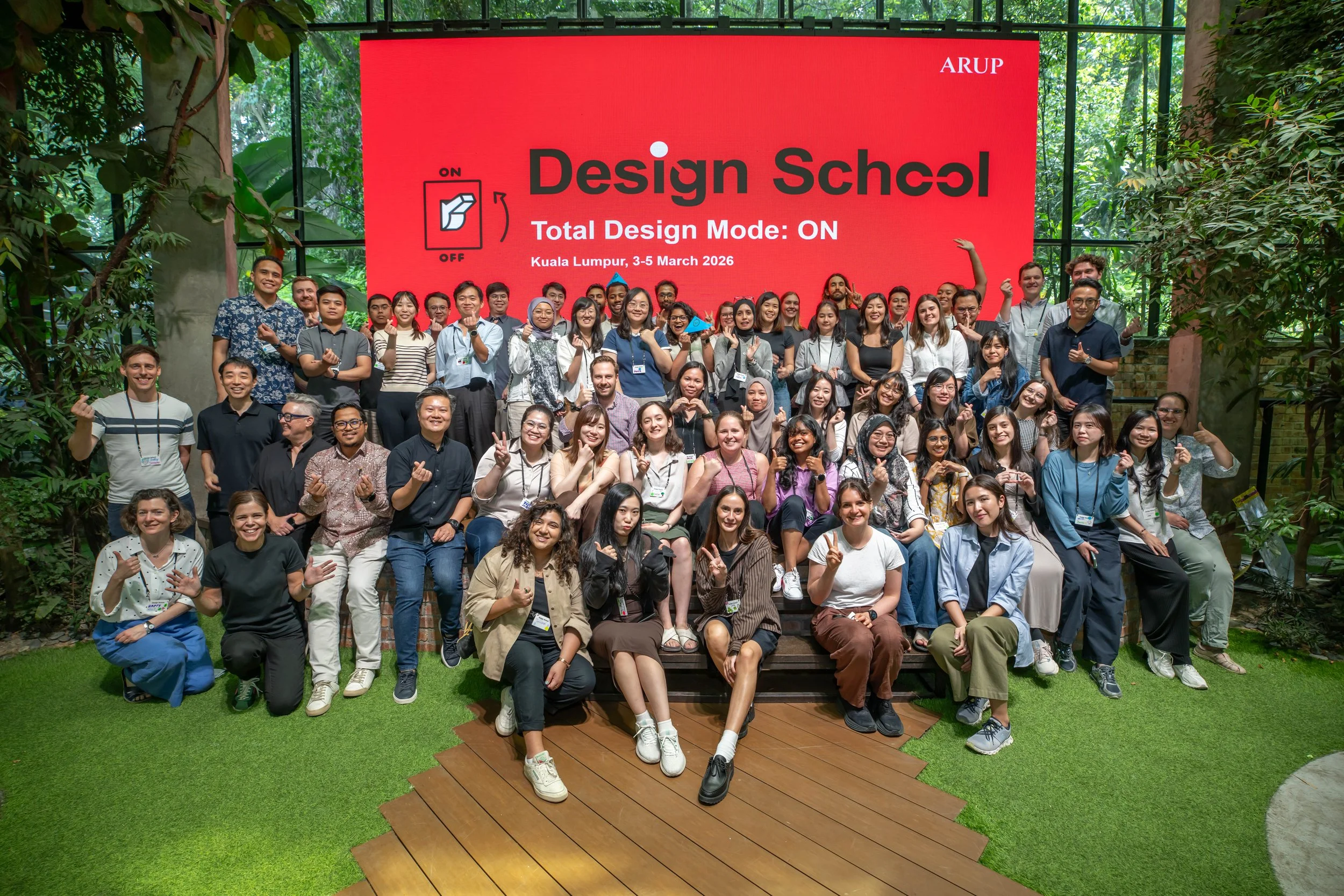
In March 2026, I was fortunate to be selected to attend APAC's Arup Design School in Kuala Lumpur, Malaysia.
Each year, a small cohort of people from across the business come together to explore a different theme relevant to the future of design and the practice of our work. In 2026, that theme was Total Design.
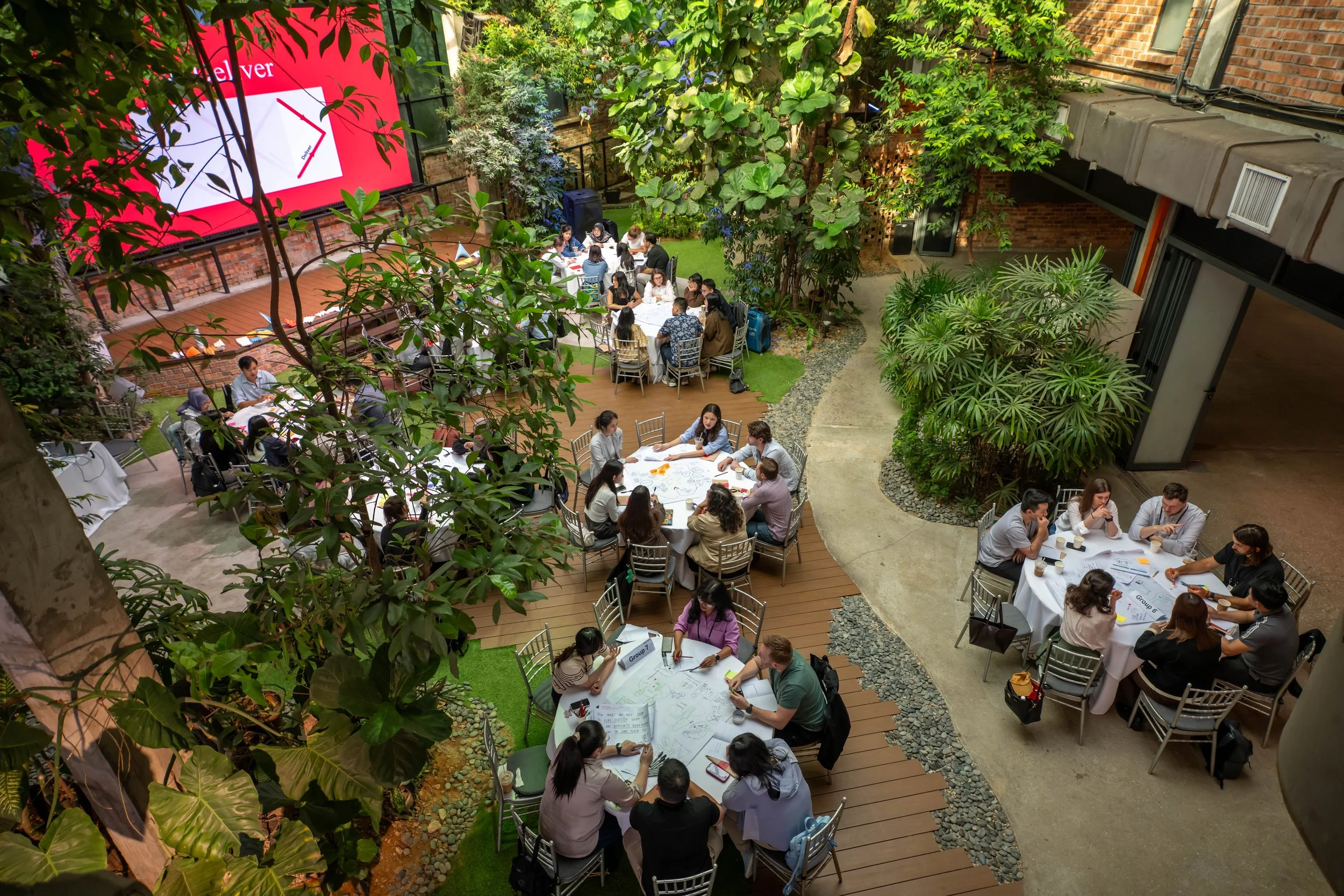
Held over several days in Kuala Lumpur, the program brought together engineers, planners, economists, designers and strategists from across the Asia-Pacific region, each contributing different expertise, perspectives and ways of understanding the world.
Through presentations, workshops and discussion, participants were encouraged to consider projects within their broader social, environmental, economic, cultural and technical contexts, and to explore how different disciplines can work together to address complex challenges.
The reflections that follow are drawn from that experience.
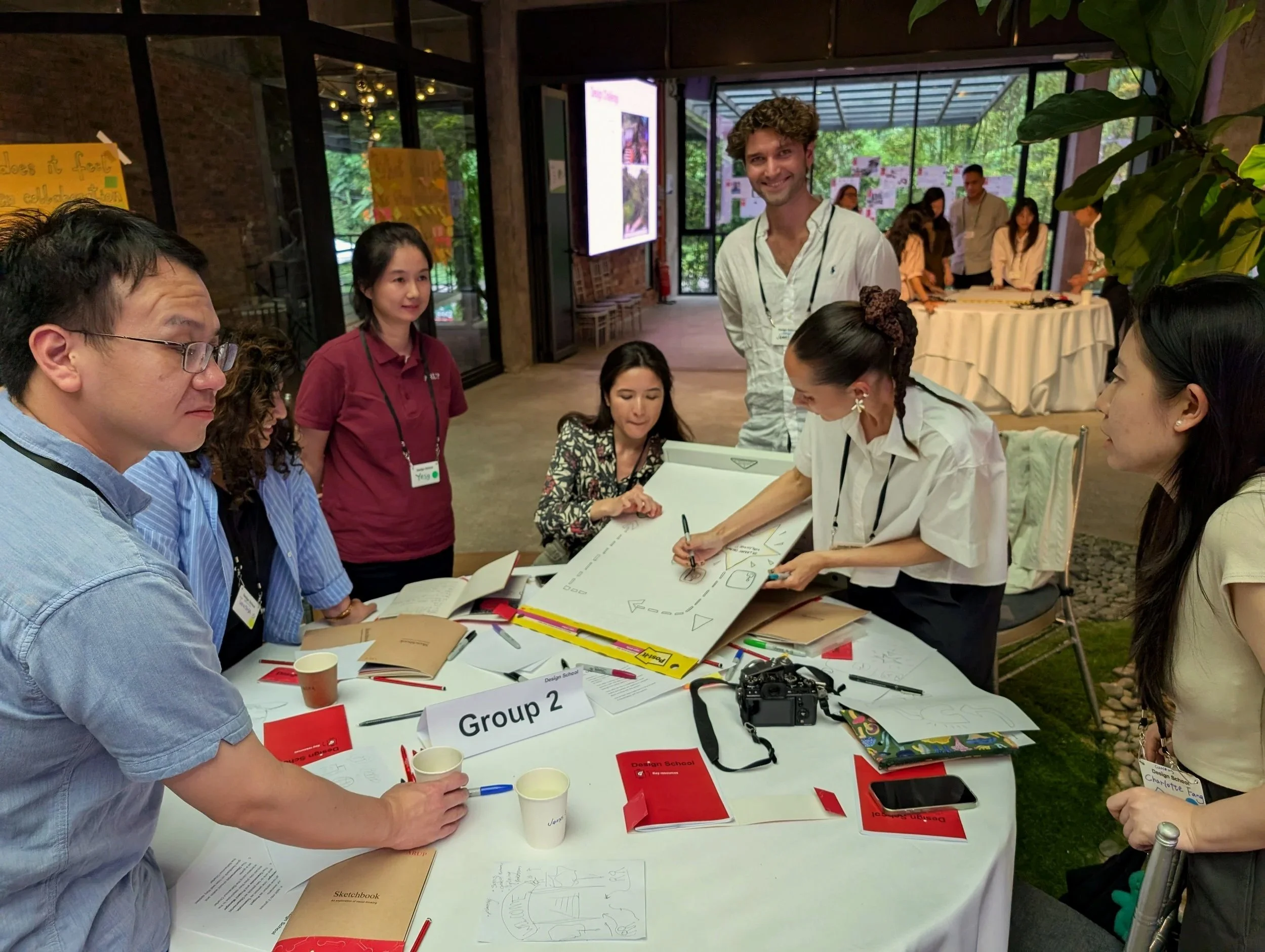
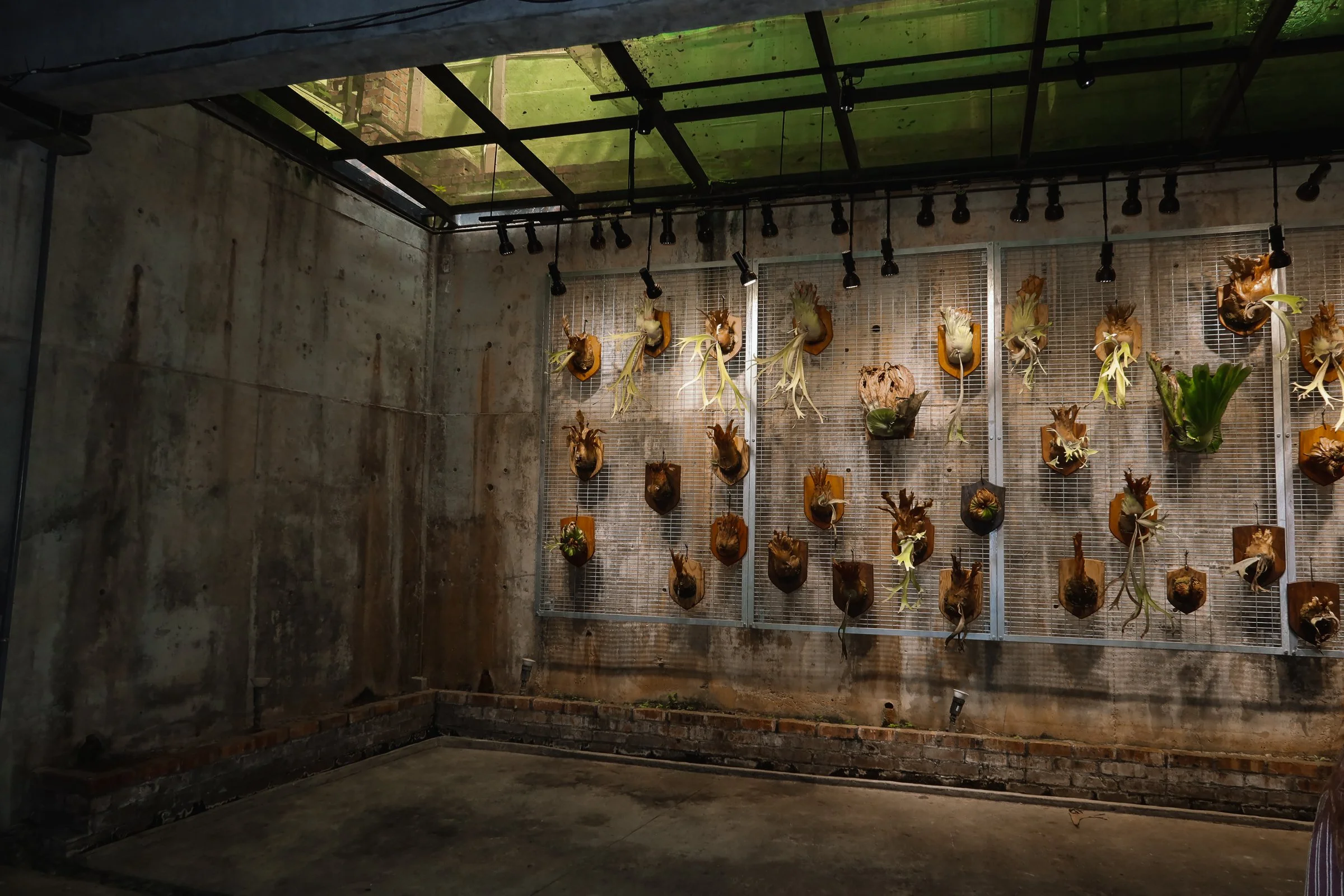
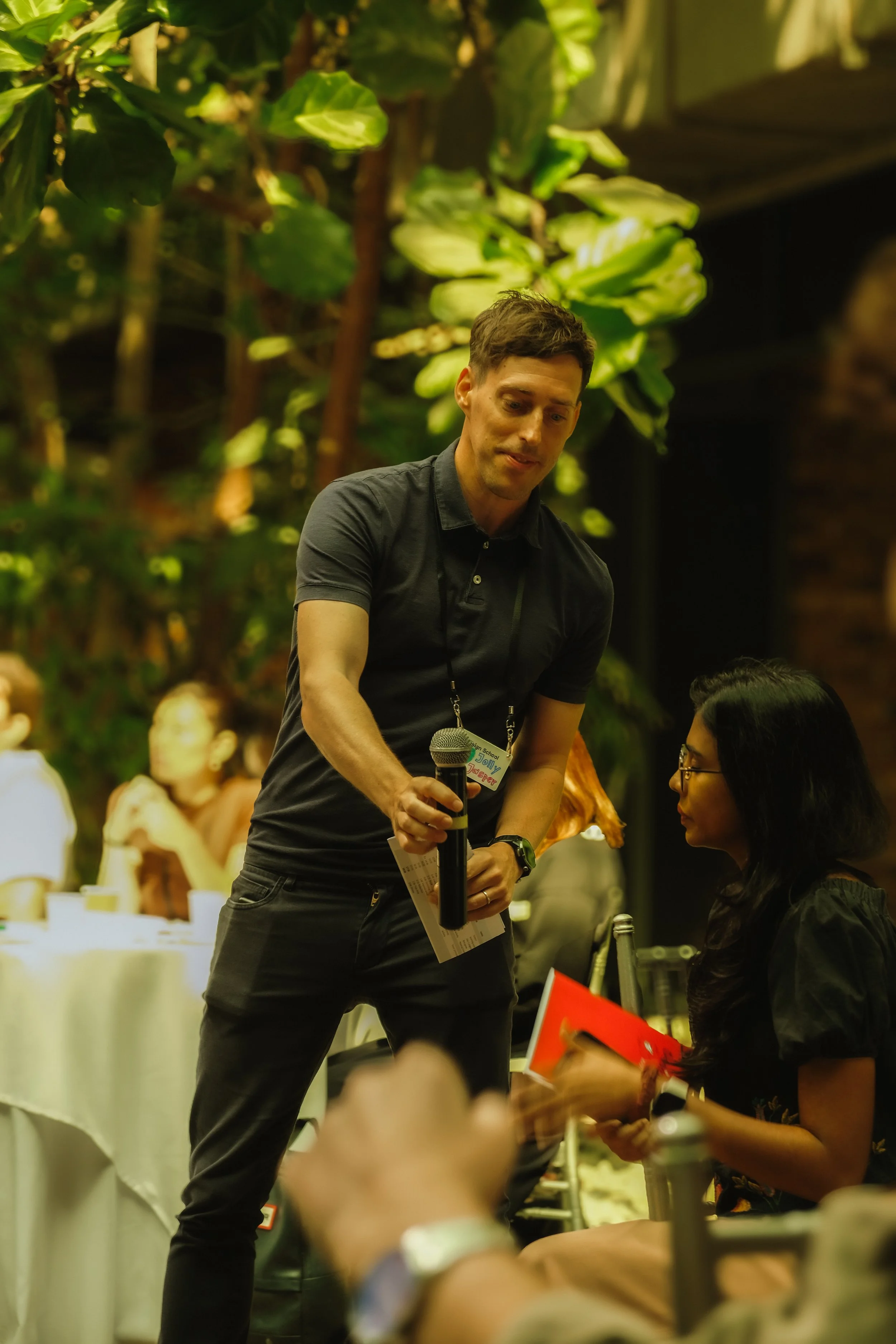
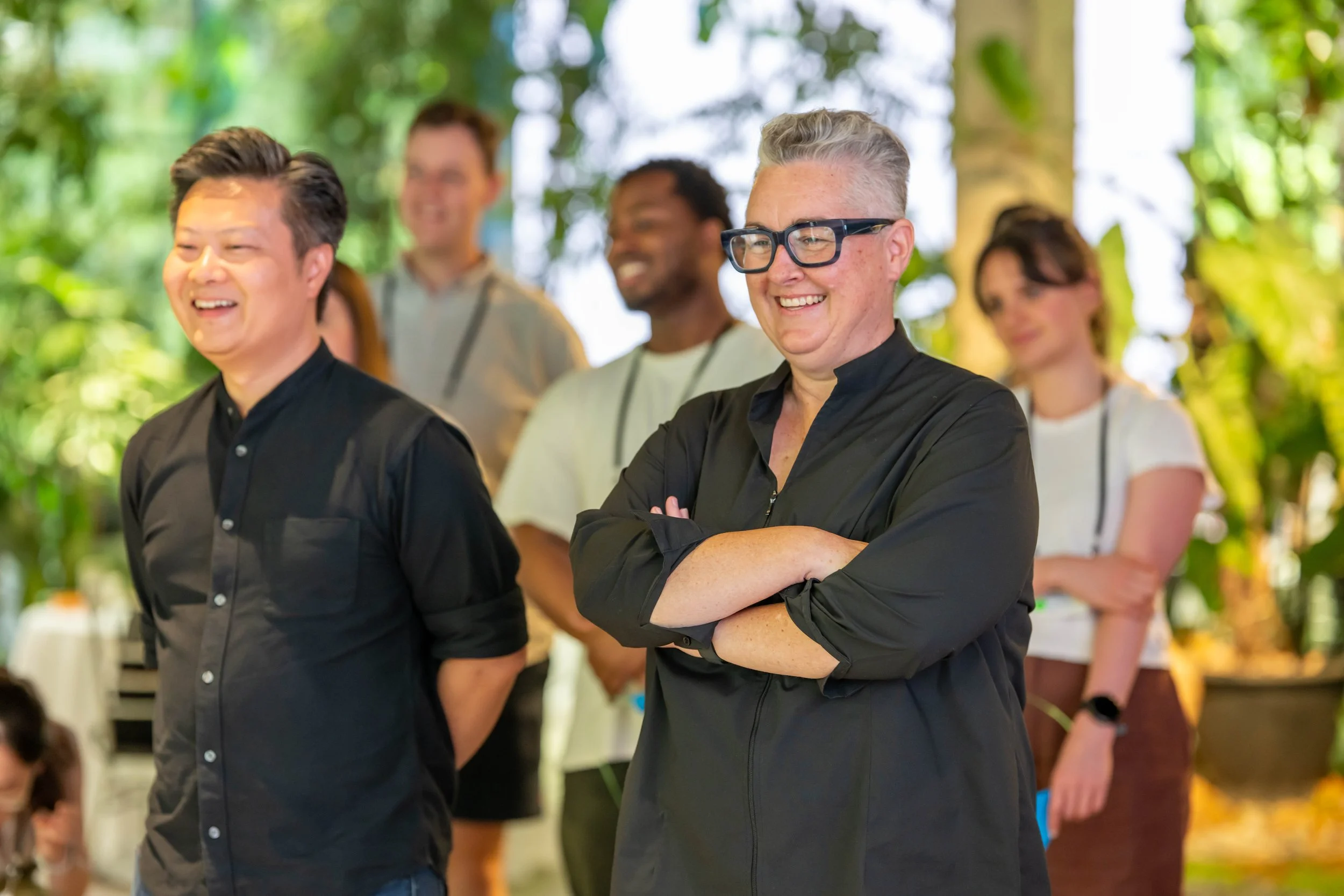
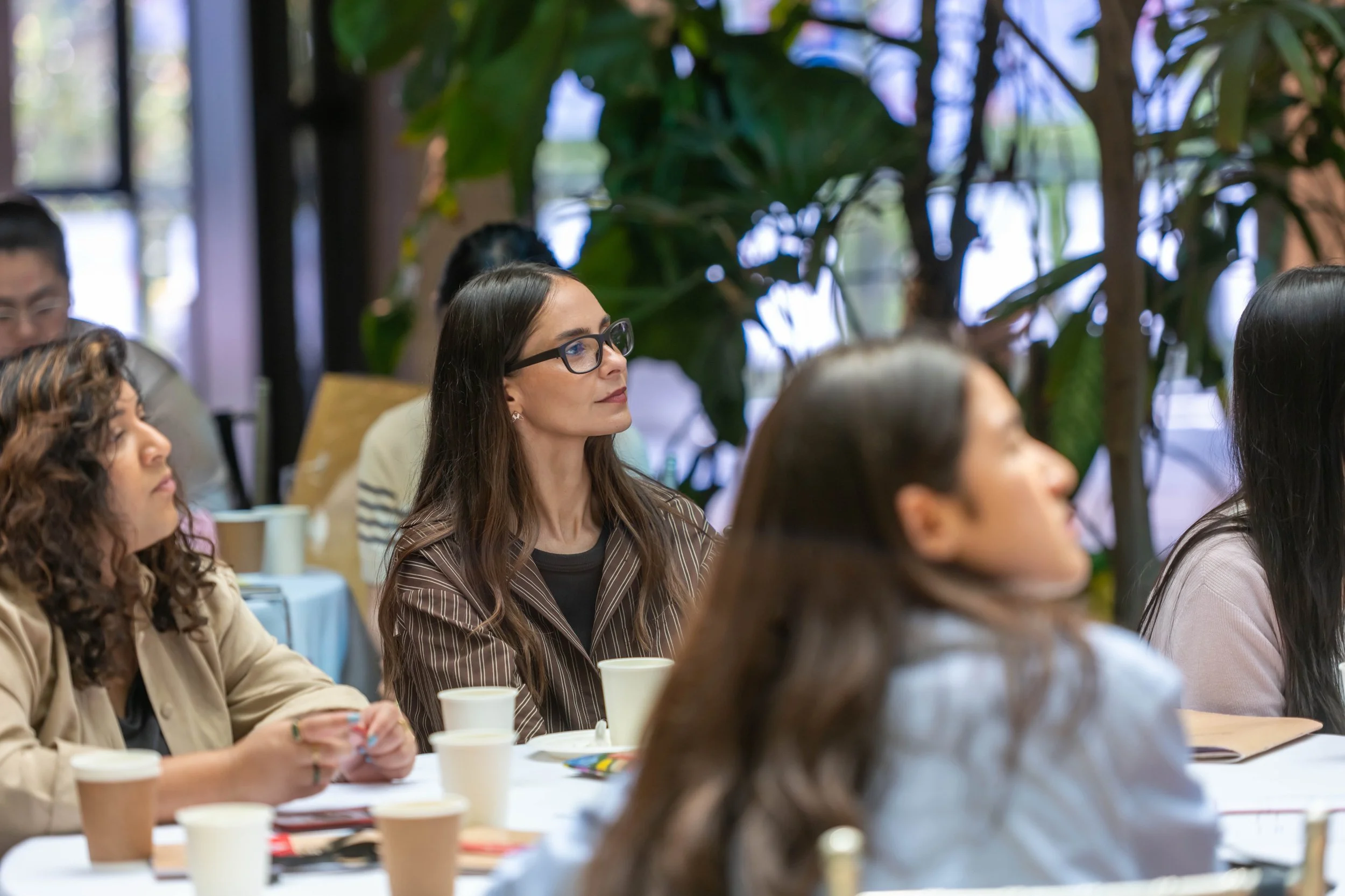
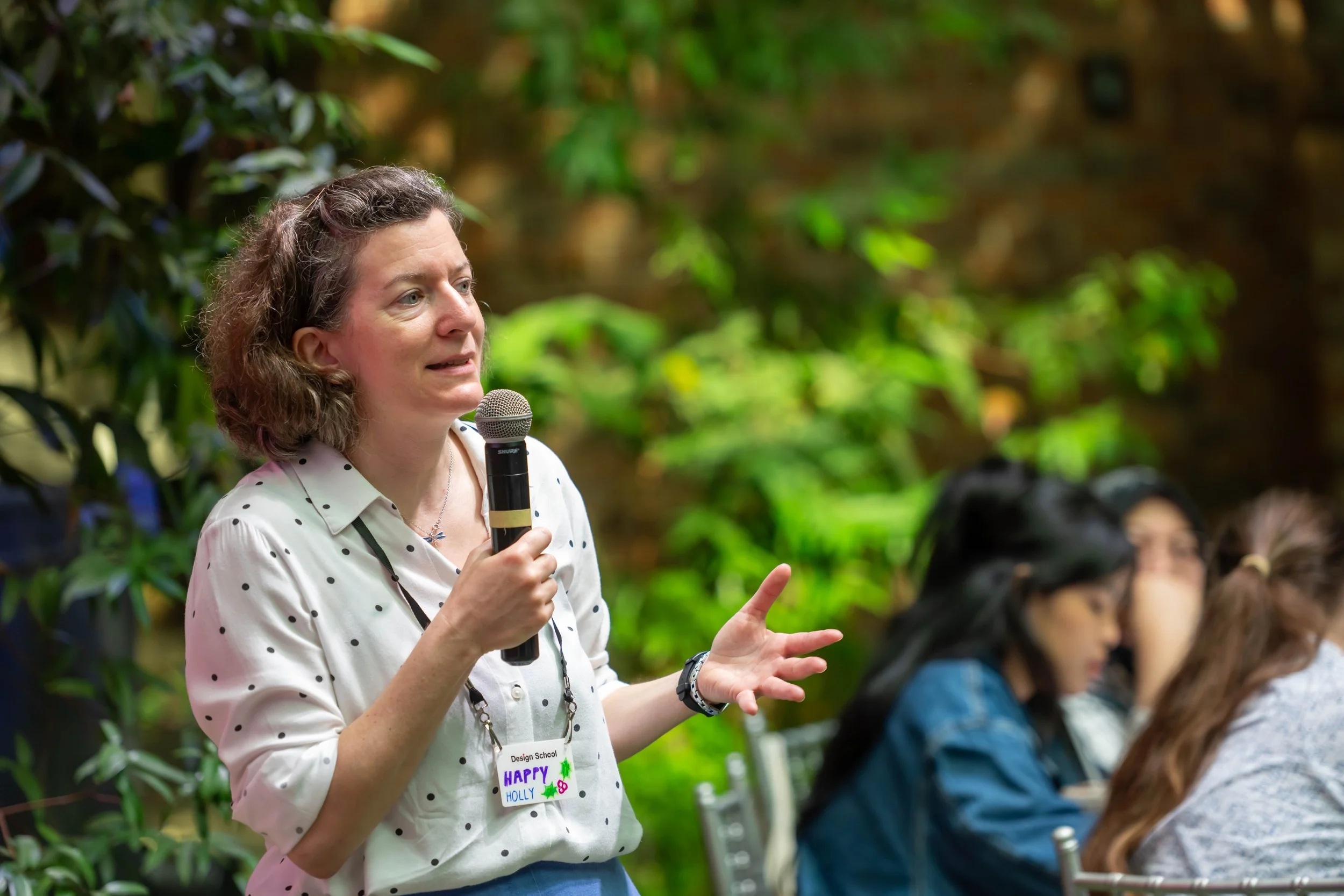
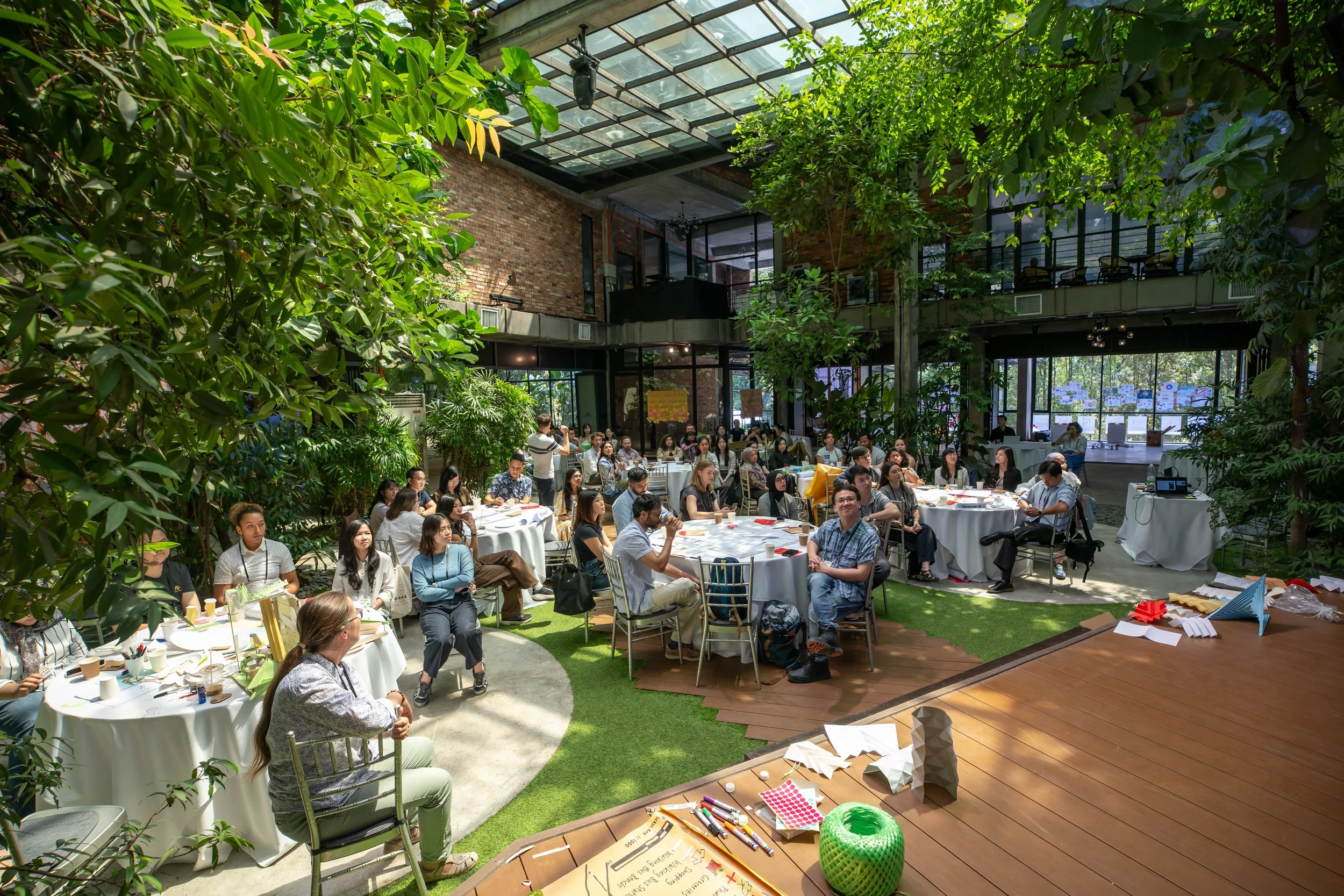
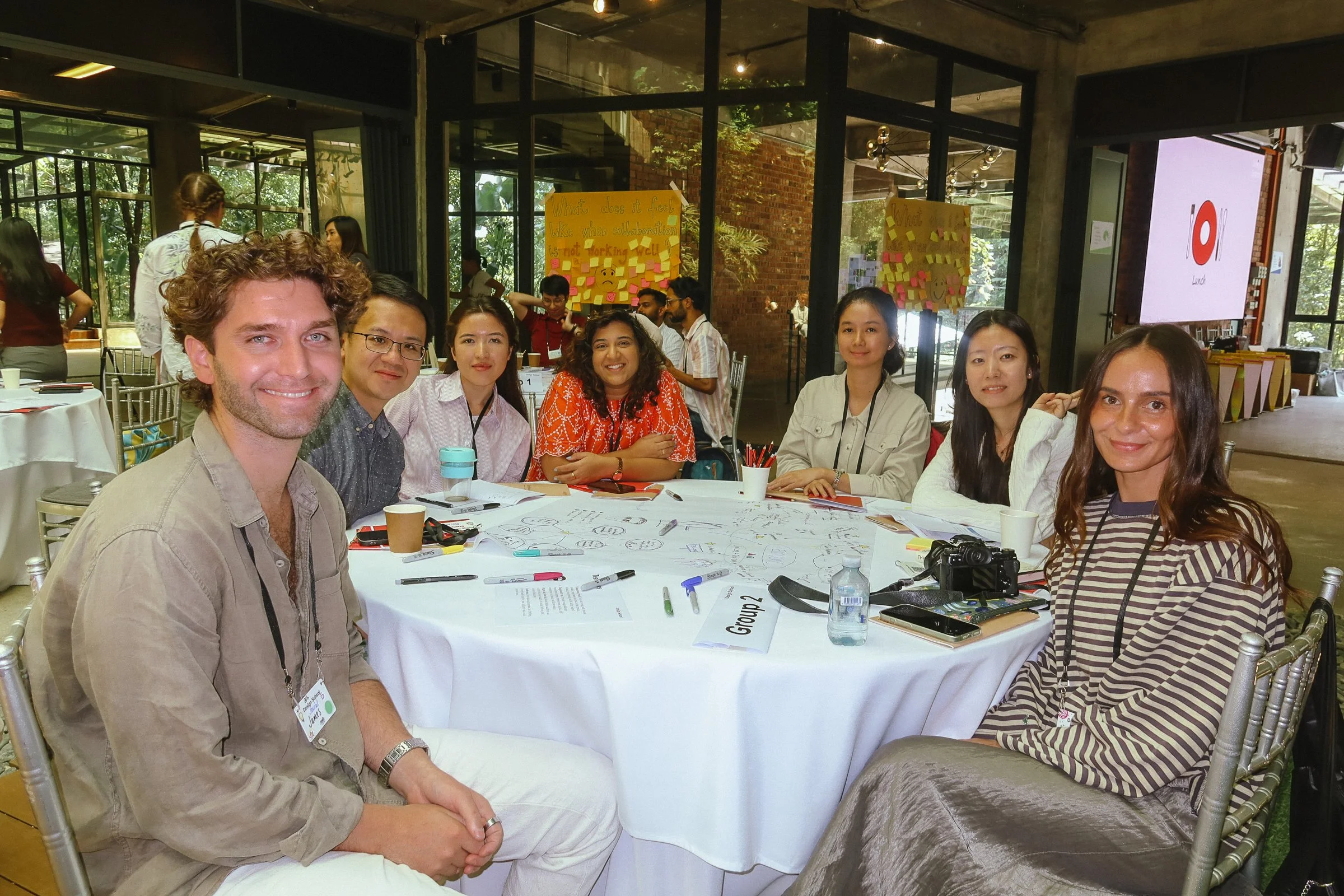
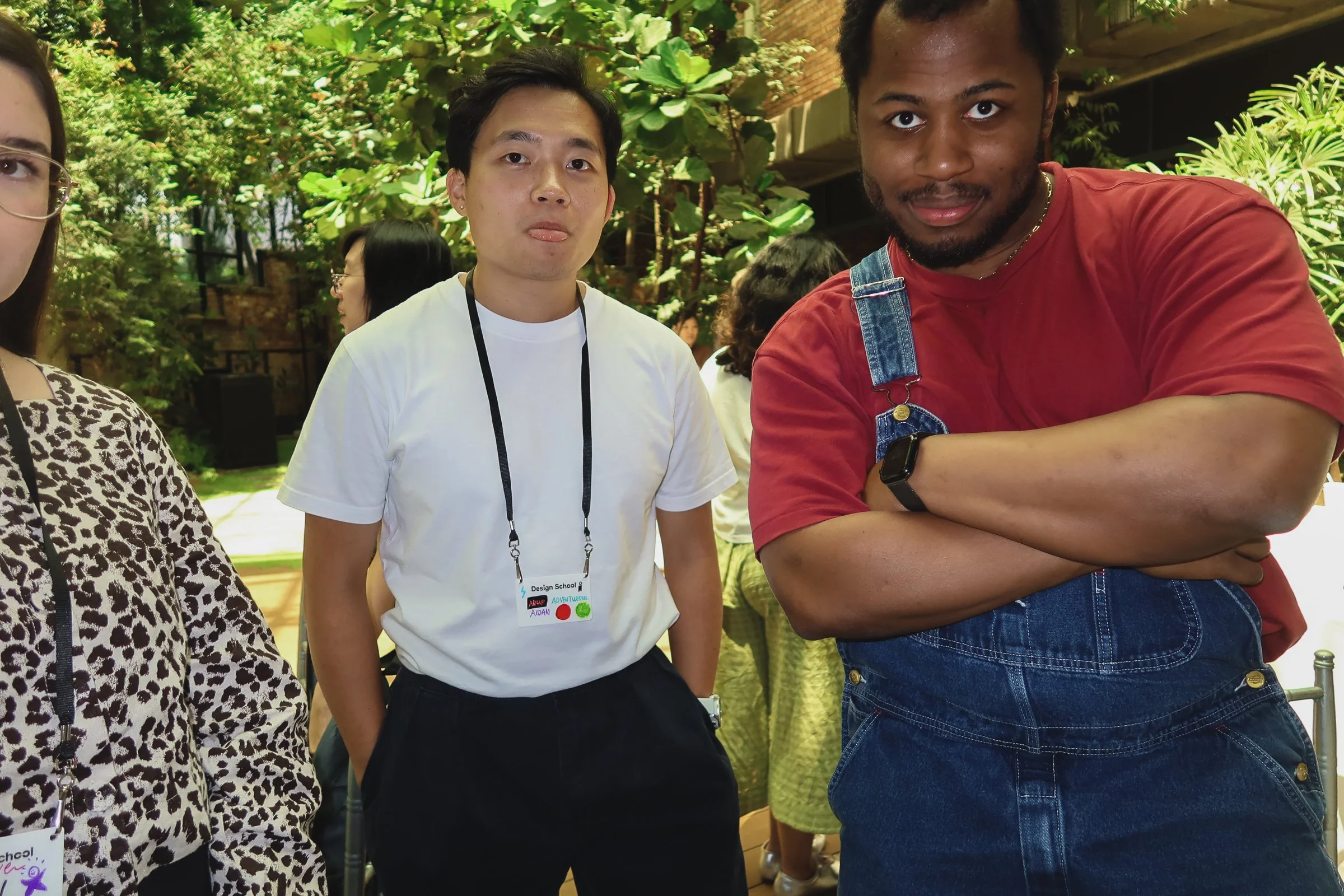
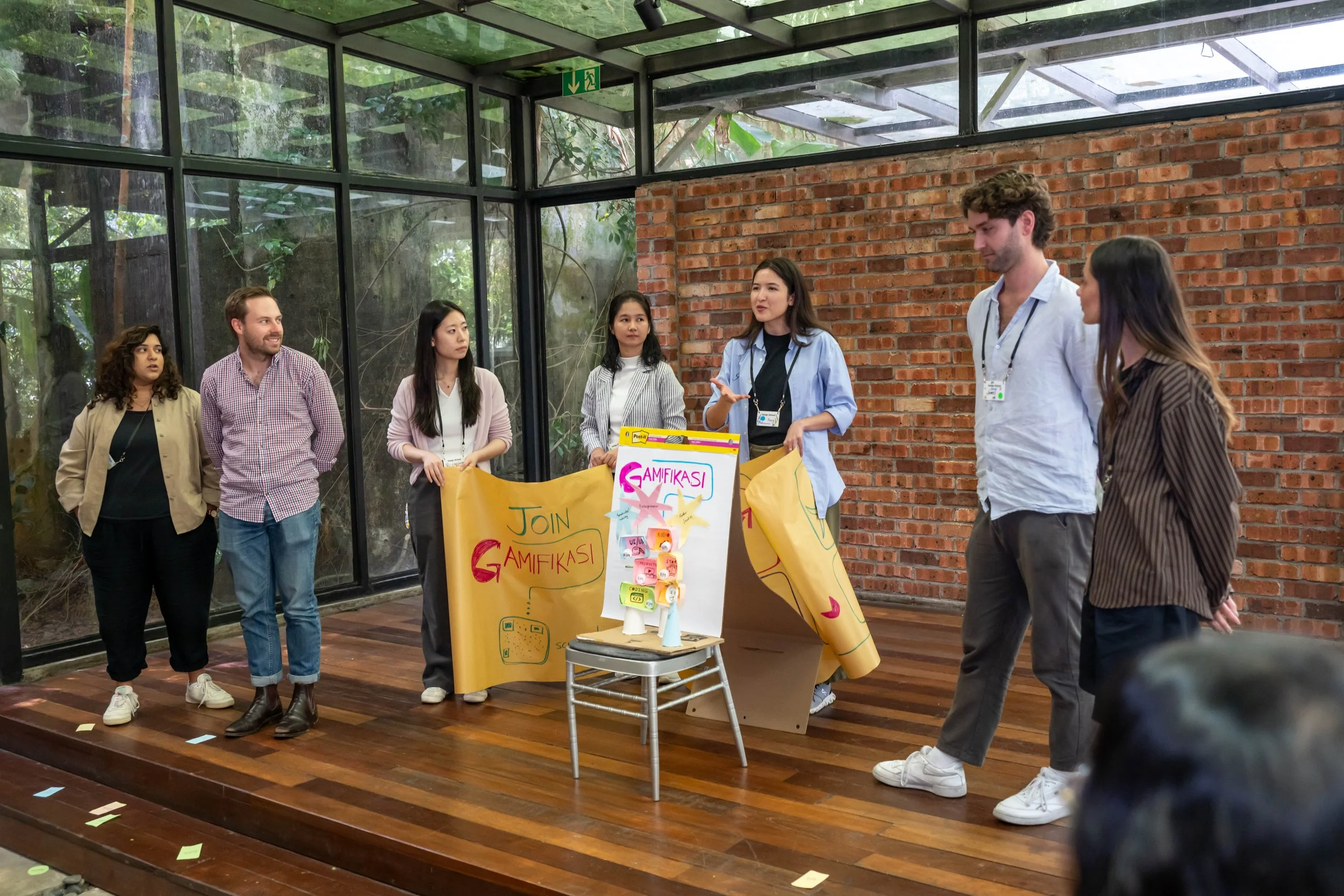
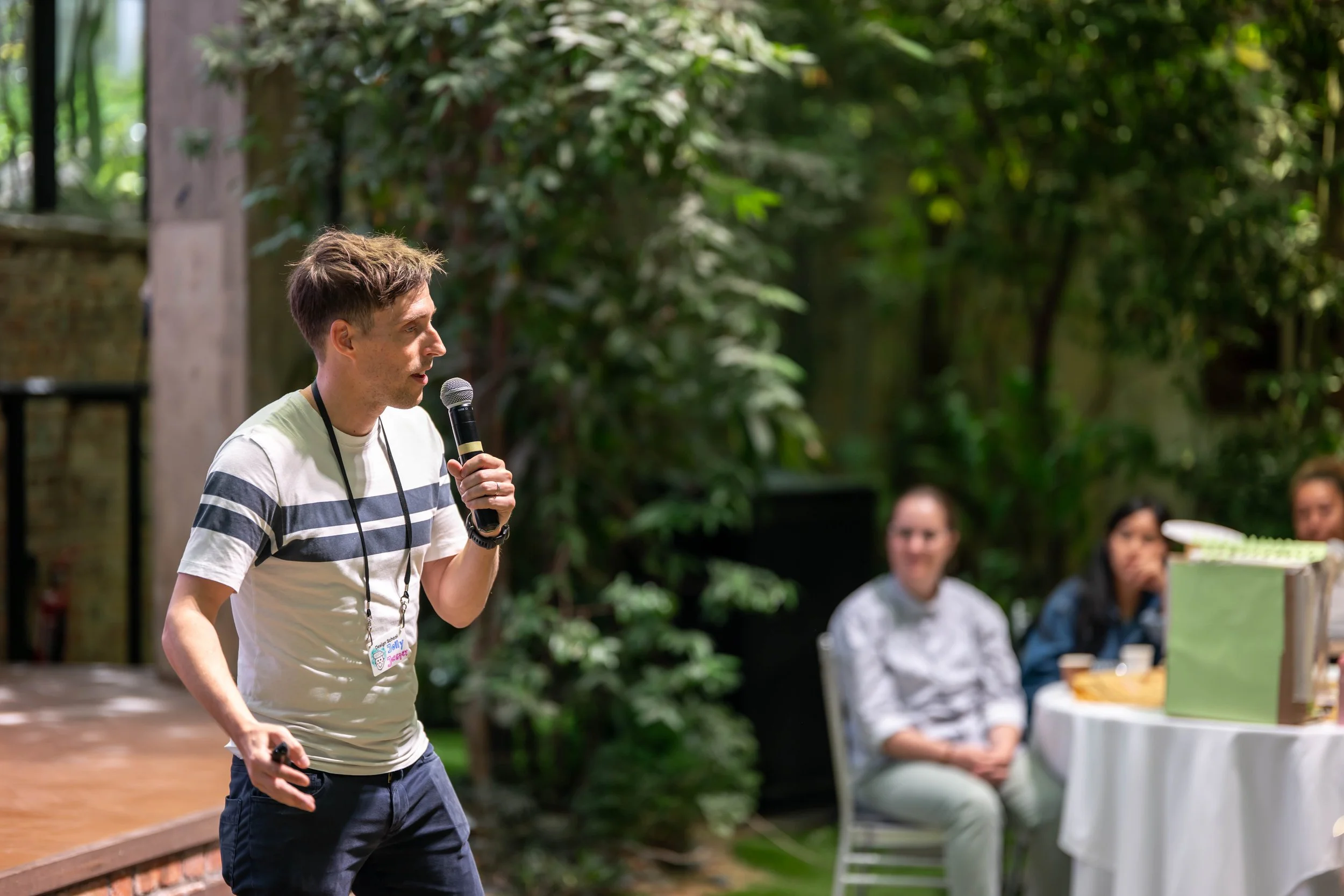
Image: Arup Design School, Andy Leong Photography
Prologue
We often speak about learning as though it arrives complete.
A lesson delivered. An insight acquired. A framework carried neatly back into practice.
Yet some forms of learning resist that kind of containment.
They continue unfolding long after the formalities end, quietly altering what we notice, what we question and where our attention settles.
This is not a reflection on Arup Design School.
At least, not entirely.
Inside the Room, Inside my Mind
For months, I avoided writing about Arup Design School.
Every attempt arrived too early.
Too clean. Too resolved. Too eager to transform something living into a sequence of insights, frameworks and digestible professional reflection.
Some experiences resist immediate language. They continue unfurling long after the formalities end, rearranging your thinking slowly, invisibly, like groundwater sifting through stone.
I attended the program back in March. Since then, fragments keep returning to me at unexpected moments. A residue left to decompose and metamorphose within my brain.
I remember the atmosphere more clearly than the presentations.
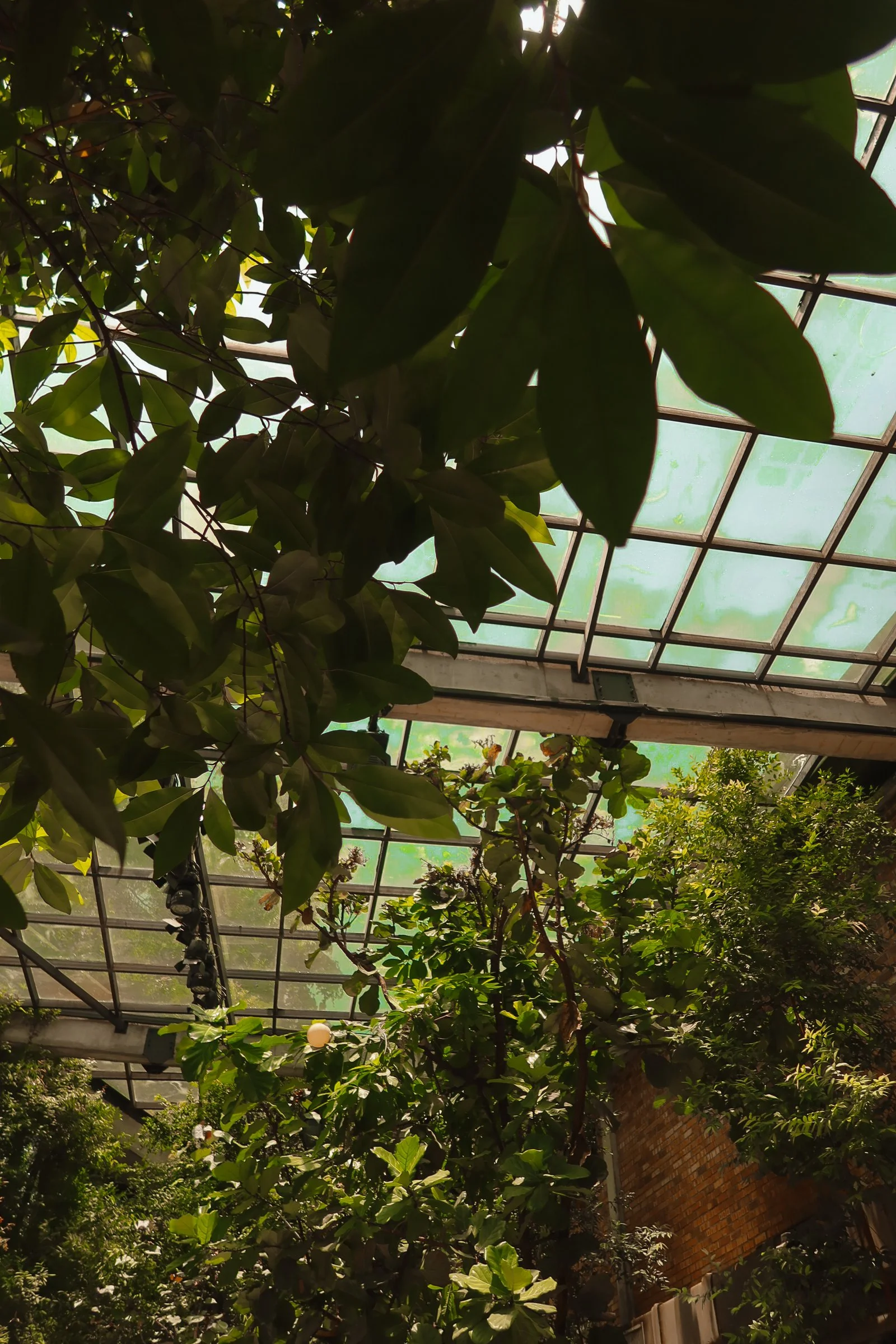
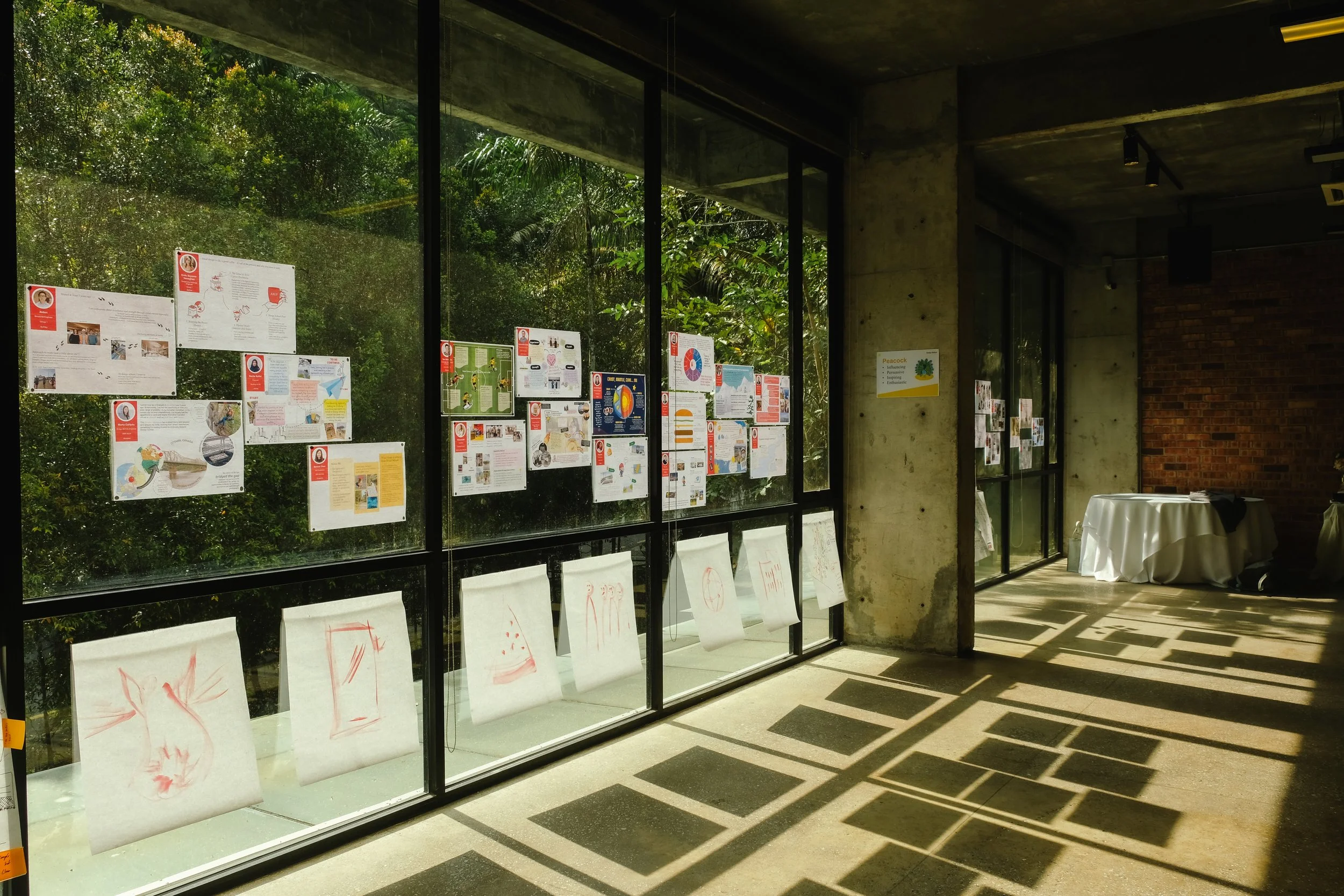
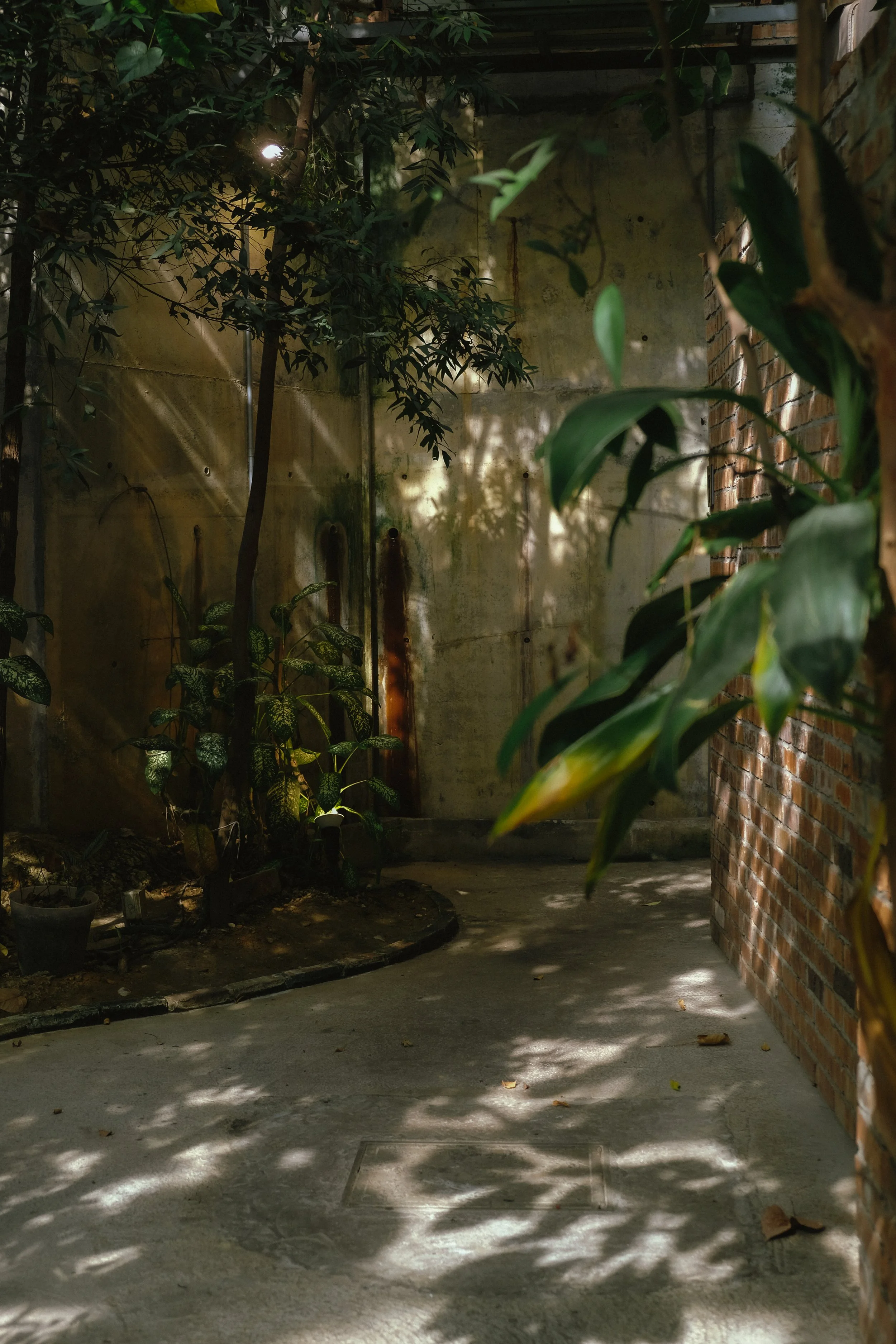
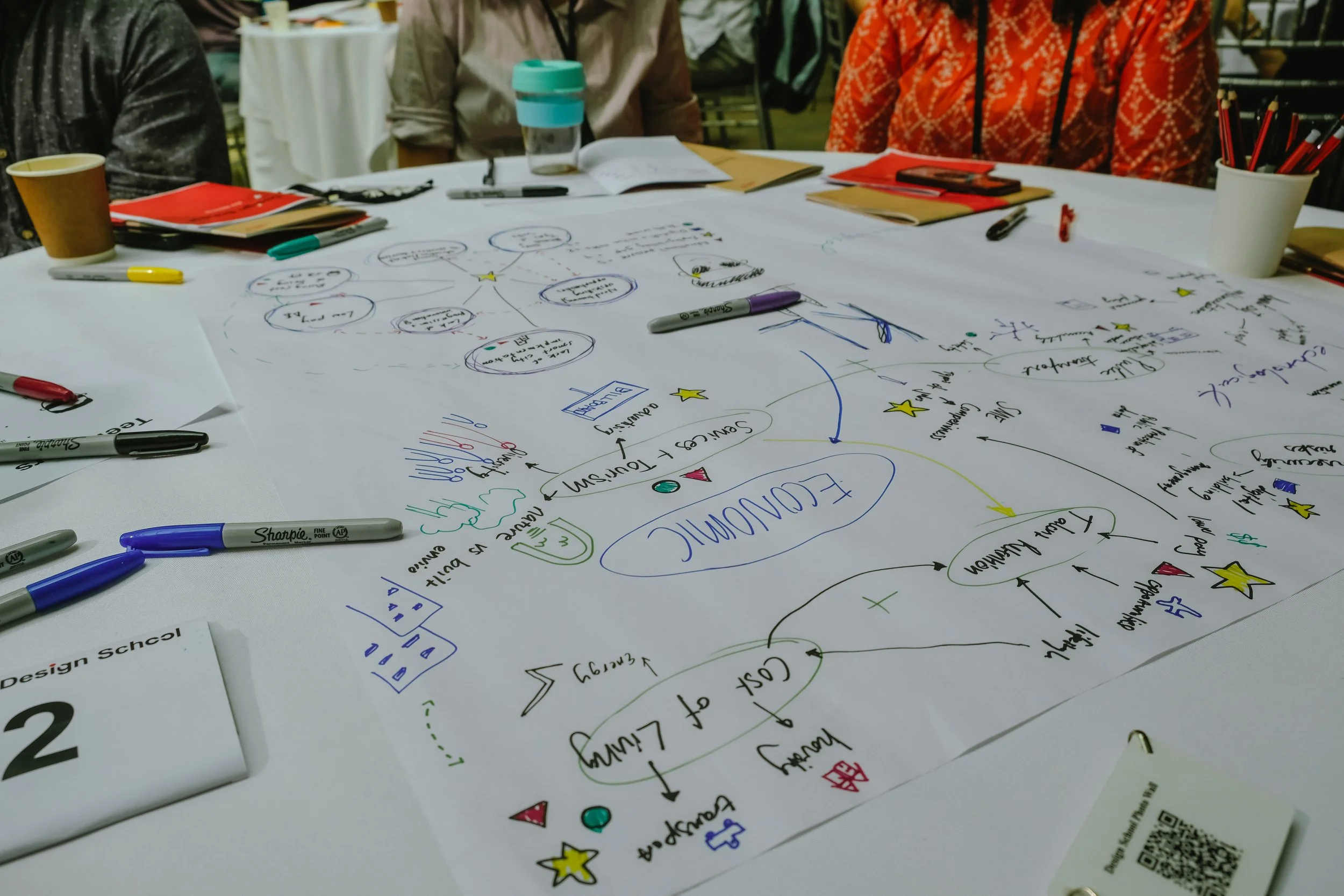
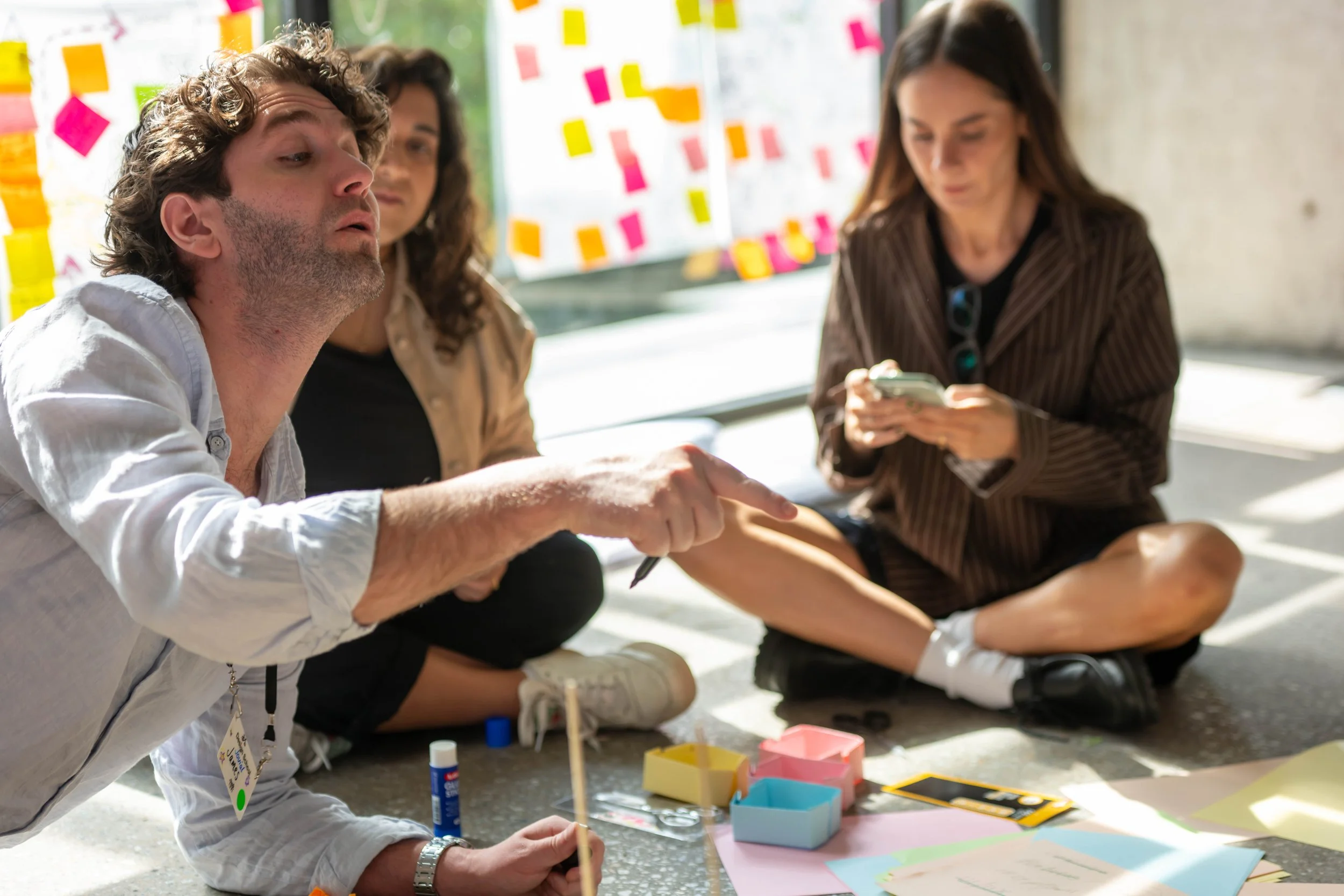
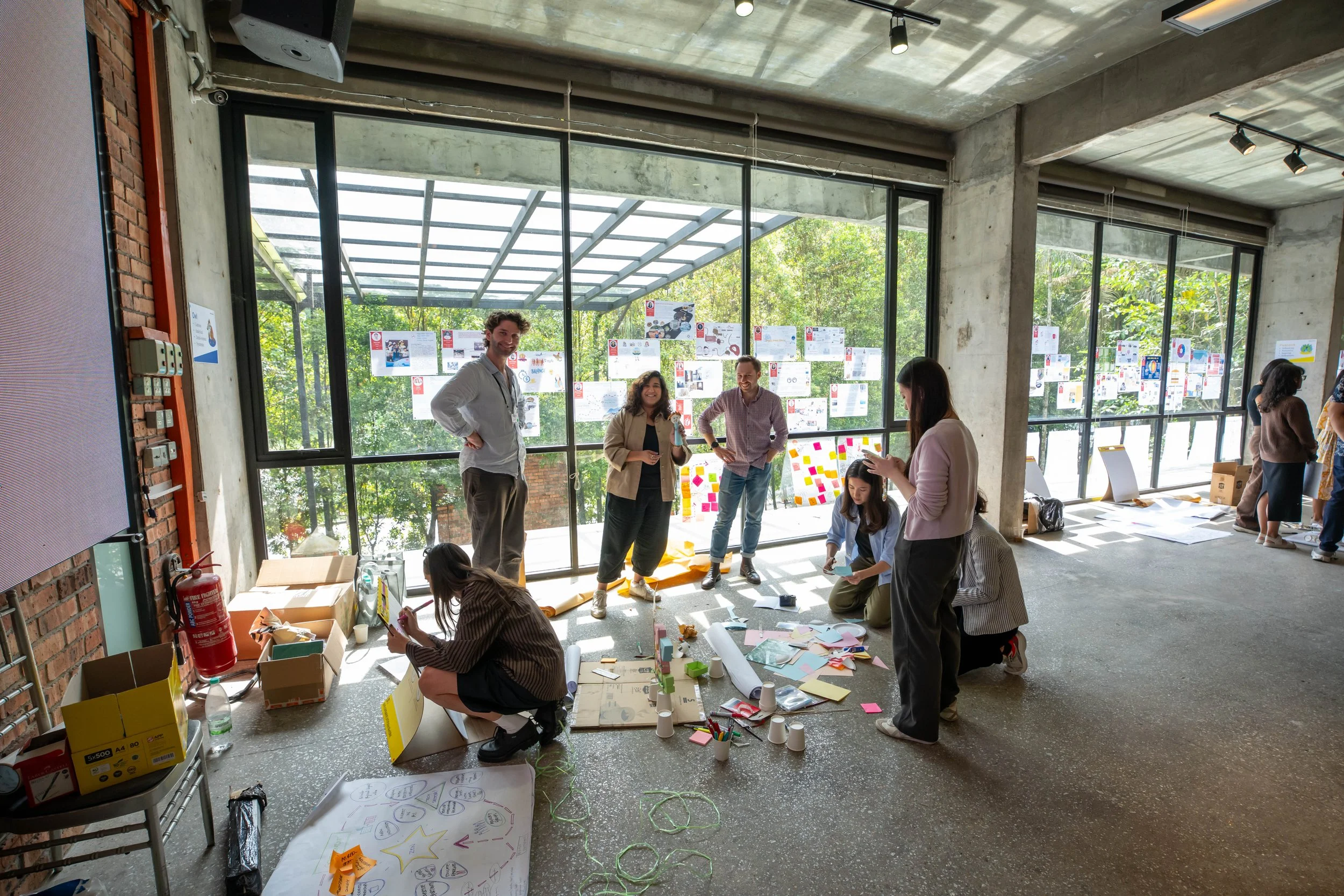
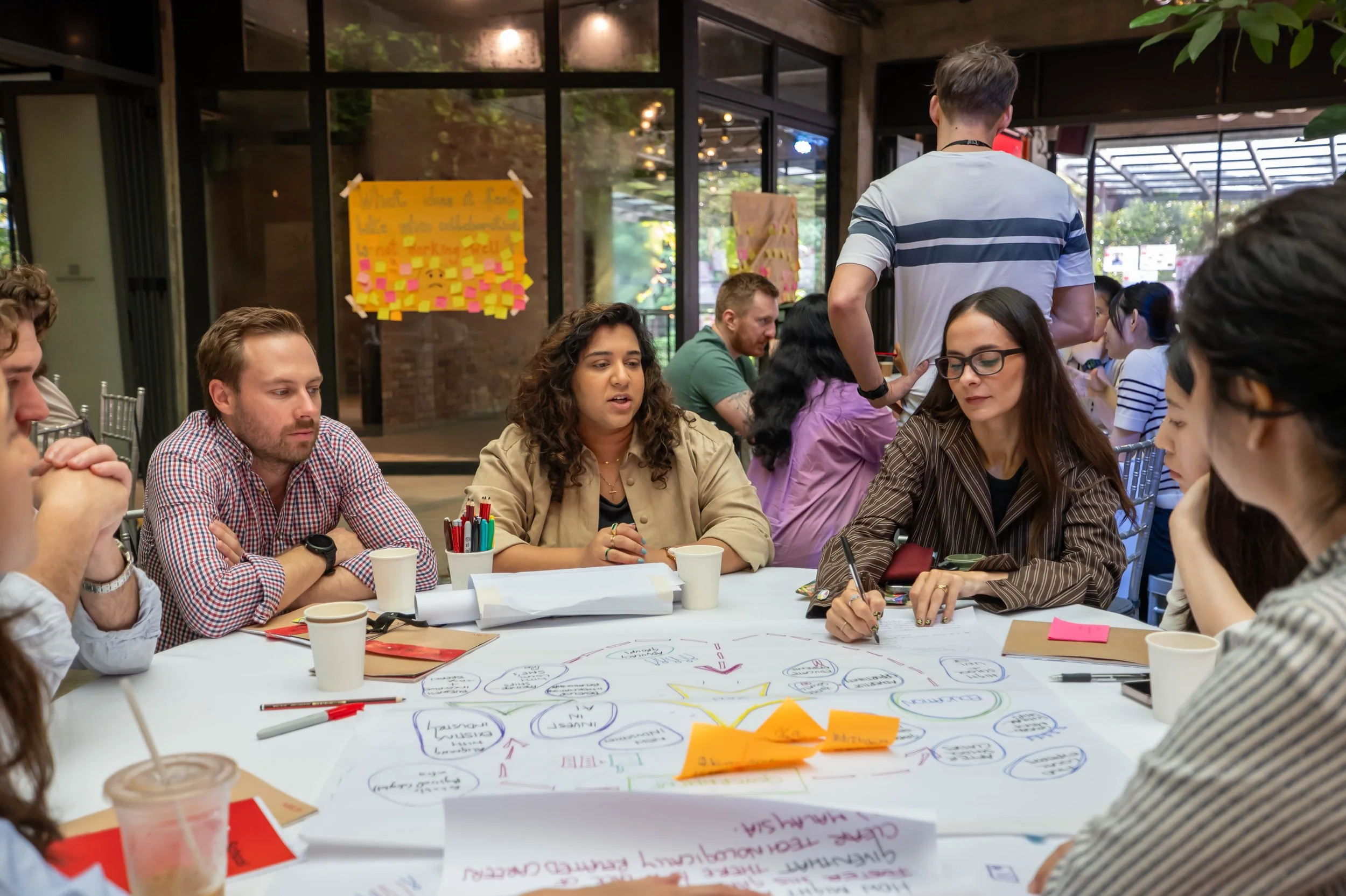
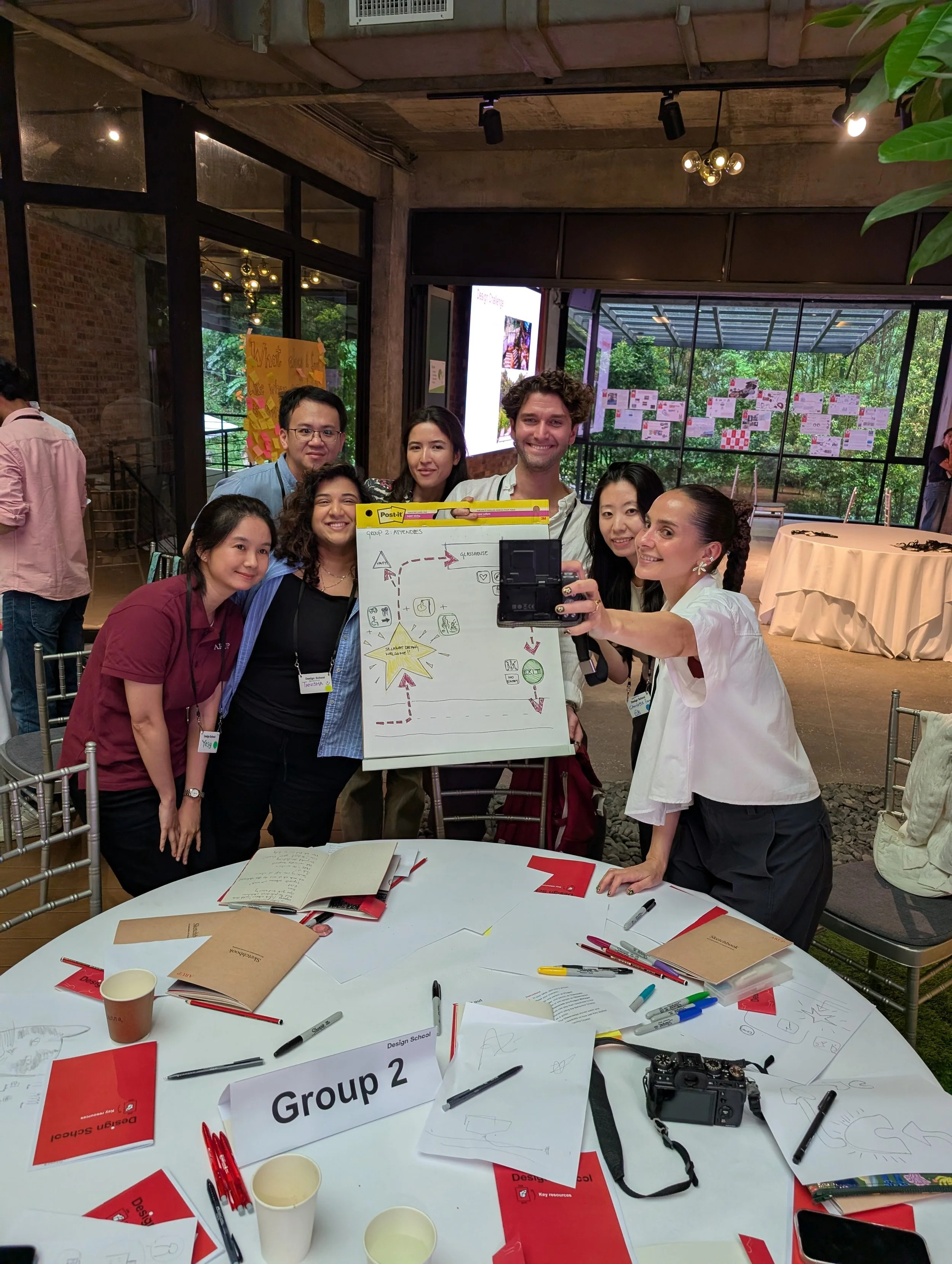
Condensation gathering against glass by late afternoon. Sheets of butcher’s paper layered with systems maps and hurried arrows, every problem branching endlessly into another. Tropical foliage pressing against concrete walls. Strangers sitting in circles beneath shifting bands of light, speaking carefully around complexity as though trying not to disturb it too quickly.
The strange intimacy of watching highly intelligent people abandon the performance of certainty.
Especially in design.
Especially inside industries shaped by expertise.
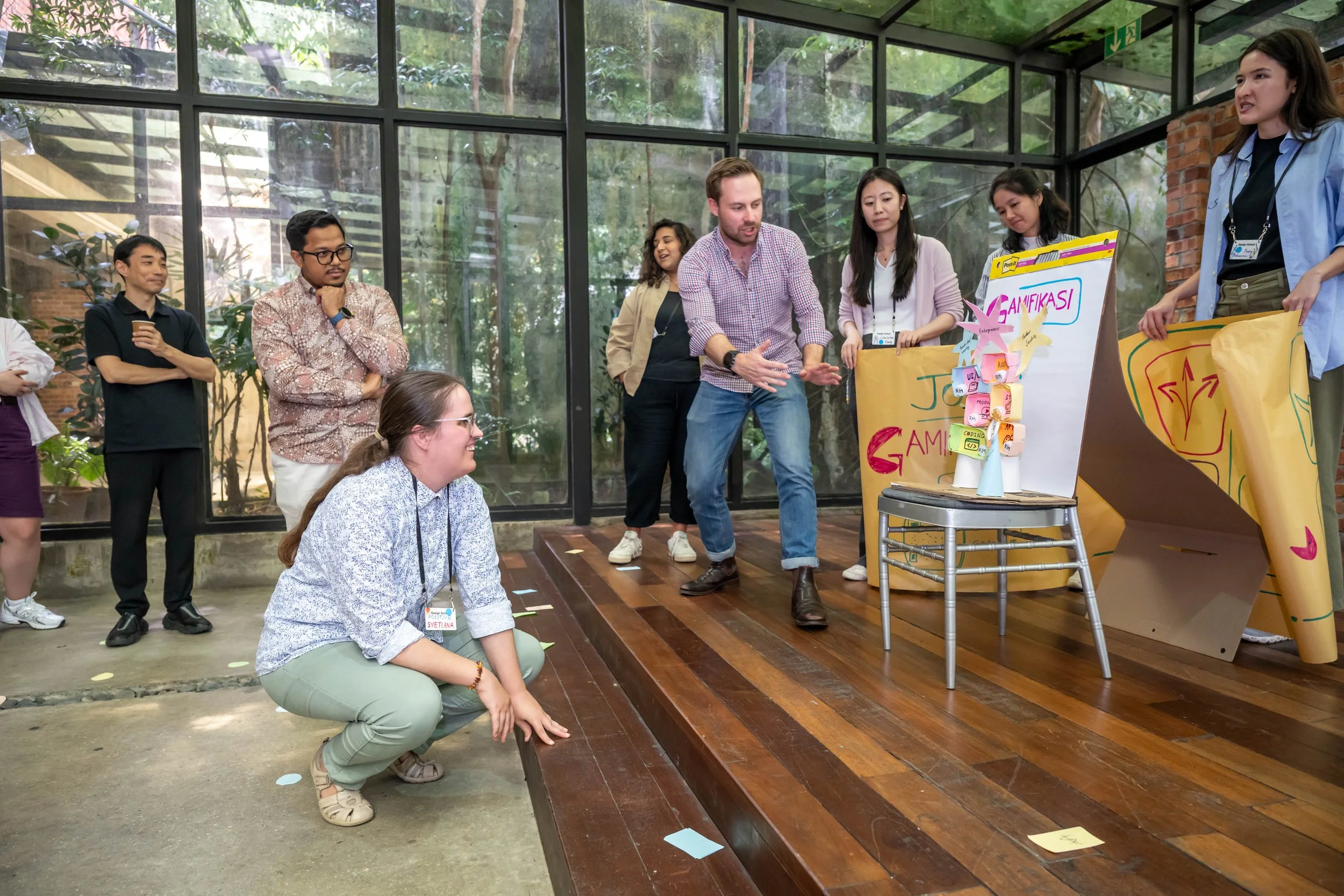
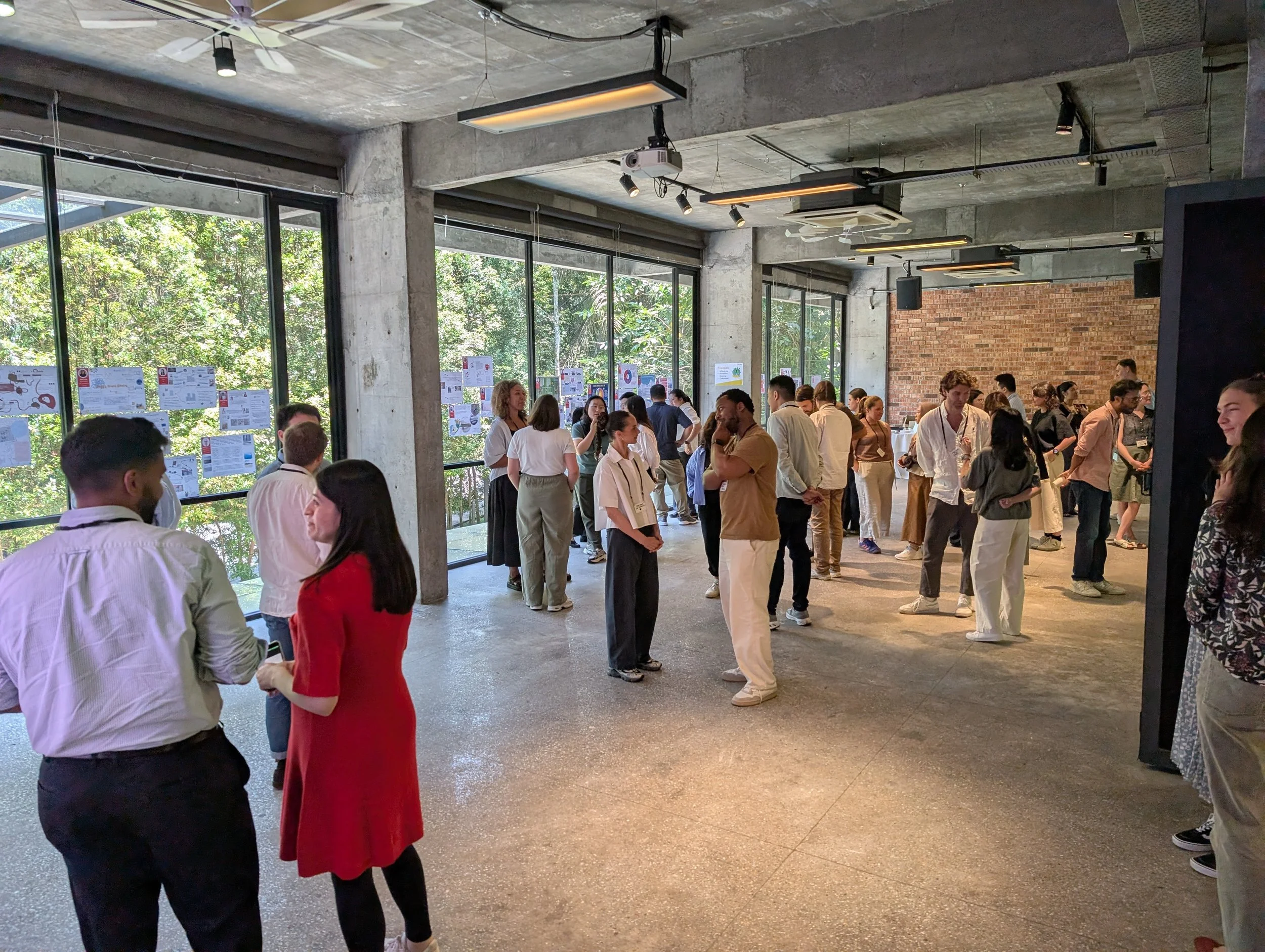
Ideas moved unpredictably through the room. Between engineers, strategists, landscape architects, economists, storytellers. No single person ever seemed to fully own them. Thoughts accumulated collectively, attaching themselves to other thoughts, changing shape as they travelled. By the end of the week, it was impossible to trace where anything had begun.
That stayed with me. It felt unusually honest.
I entered Design School believing collaboration was primarily procedural. Shared language. Coordination. Alignment. A structure for moving work forward across disciplines with greater clarity and less friction.
But somewhere inside those conversations, that understanding began to loosen.
What if meaningful collaboration is not procedural at all?
What if it could be more emotional? What if it should be?
Not emotional in the sentimental sense. Emotional in the infrastructural sense. Trust. Timing. Generosity. The willingness to remain open long enough for another person’s thinking to genuinely alter your own.
That kind of openness sounds simple until you encounter it in practice.
Because in practice, professional environments reward the appearance of knowing. Fast answers. Defensible positions. Clean authorship. The ability to compress uncertainty into confidence before anyone notices the complexity underneath.
The people who imprinted on me the most from Design School were rarely the most certain people in the room.
They were the ones asking careful questions without immediately reaching for resolution. The ones capable of holding ambiguity a little longer. The ones who understood that curiosity is not the absence of expertise, but perhaps expertise itself.
Not expertise as performance.
Not knowledge hardened into authority.
But expertise as permeability.
The ability to remain intellectually porous even after years of practice. To let context, ecology, culture, memory and contradiction continue reshaping the way you think. To resist the instinct to dominate complexity simply because you recognise parts of it.
Months later, I suspect what mattered most was never written on the workshop walls at all.
It was that rigour is not the opposite of softness.
It was that listening is not passive.
It was that some of the most important forms of design intelligence emerge not through control, but through sustained attention. Through remaining present long enough for relationships to reveal themselves properly. Through realising that complexity is not something to compress, but something to sit with.
I think about this often now.
The Illusion of Separation
We were asked to map a problem that initially appeared straightforward.
Within minutes, the paper became almost unreadable.
Arrows crossing over arrows. Economic pressures entangled with ecological systems. Political decisions colliding with public behaviour. Cultural memory shaping infrastructure outcomes decades later. Every attempt to isolate a single issue only revealed another system beneath it, then another beneath that.
At some point, looking down at the page disappearing beneath layers of interconnection, I found myself thinking:
Nothing exists in isolation.
As a landscape architect, this was not new knowledge. Landscape architecture has always required a sensitivity to interdependence. Water influencing vegetation. Vegetation influencing temperature. Temperature influencing behaviour. Soil conditions shaping ecosystems long before any built intervention arrives. Even the placement of a path alters movement, perception, erosion, ecology, habitat.
To work in landscape is to work within relationships.
Sitting in that room, the thought began to stretch.
The systems we were mapping were not only ecological, but social, political, emotional and economic. Human systems colliding with environmental ones. Layers of consequence folding into one another faster than the page could contain them. It no longer felt possible to separate a site from governance, or infrastructure from memory, or storytelling from public trust.
The scale of entanglement became briefly visible.
Not theoretically. Physically.
Marker ink bleeding through paper while fifty-three people attempted to trace the movement of influence across time, geography, behaviour, policy and design. No clear beginning. No clean edge between one system and the next.
Only relationships.
Design often depends on the illusion of separation.
A flood mitigation project becomes hydraulic. A transport corridor becomes logistical. A landscape becomes aesthetic. A community becomes demographic data.
Complexity is divided into manageable territories. Not because the boundaries are real, but because they make the work feel possible.
Looking down at the paper, those boundaries became harder to locate.
The lines kept crossing them.
Ecology entered governance. Infrastructure entered memory. Behaviour entered policy.
Nothing appeared purely technical anymore.
Every decision enters other systems the moment it is made.
Social systems. Political systems. Ecological systems. Emotional ones.
Consequences moving across timescales far beyond the lifespan of any individual project.
And designers move through those systems too.
Not as observers standing outside complexity, but as participants within it.
Professional expertise often encourages a kind of perceptual narrowing. You become highly skilled at identifying the dimensions of a problem you already understand, while unconsciously filtering out the rest. The longer you practise, the easier it becomes to mistake familiarity for completeness.
Design School interrupted that instinct repeatedly.
Not through revelation, but through accumulation.
Conversations that resisted resolution. Disagreements that opened rather than closed possibilities. Economists, engineers, strategists, and designers circling the same problem from different positions, each noticing something invisible to the others.
Gradually, the limits of individual perception became harder to avoid.
Strangely, that felt relieving.
Because beneath so much of professional culture sits the quiet pressure to appear resolved. Certain. Coherent. To move quickly towards answers before uncertainty becomes visible.
Some forms of understanding only emerge once certainty begins to loosen.
Sometimes the scale of a problem becomes large enough that no single perspective can comfortably contain it.
The complexity is no longer linear.
I guess it never was.
That has stayed with me.
Home
I knew I had to carry these thoughts into practice.
Not as a methodology.
As a way of seeing.
Once noticed, it became difficult to ignore.
A transport corridor is never only transport. Ecology enters infrastructure. Behaviour enters policy. Memory enters place. Community trust shapes outcomes long before construction begins.
The relationships continue long after the drawings end.
I realise now that they always did. Thanks Design School.
This is where I began to understand the deeper value of Arup's interdisciplinary culture.
And perhaps, for the first time, what Total Design means beyond the language used to describe it.
Not a badge.
Not a methodology.
Not even a structure.
A recognition that no meaningful problem exists in isolation.
That every project is a meeting point between systems already shaping one another.
That complexity does not disappear when we divide it. It simply becomes harder to see.
There is something quietly radical in that.
Collaboration is not easy. Often it is slow, uncomfortable and unresolved. It asks us to remain open a little longer than feels professionally comfortable.
But when it works, something extraordinary happens.
The intelligence is no longer residing within individuals.
It begins emerging between them.
Between disciplines.
Between conversations.
Between different ways of understanding the same problem.
I watched this happen repeatedly throughout the week.
An economist noticing something a designer could not.
An engineer identifying a pattern invisible to a strategist.
A landscape architect carrying a question that quietly altered the direction of a conversation.
Ideas moving between people.
Changing shape as they travelled.
Perhaps that was the point.
That has stayed with me.
And so too have the people.
Not in the temporary way that conferences tend to manufacture connection, but through something slower and less tangible.
There is a closeness that forms when people spend days thinking openly beside one another. Not presenting polished versions of themselves but grappling publicly with uncertainty. Admitting blind spots. Changing their minds mid-conversation. Letting ideas remain unfinished.
The formality dissolved.
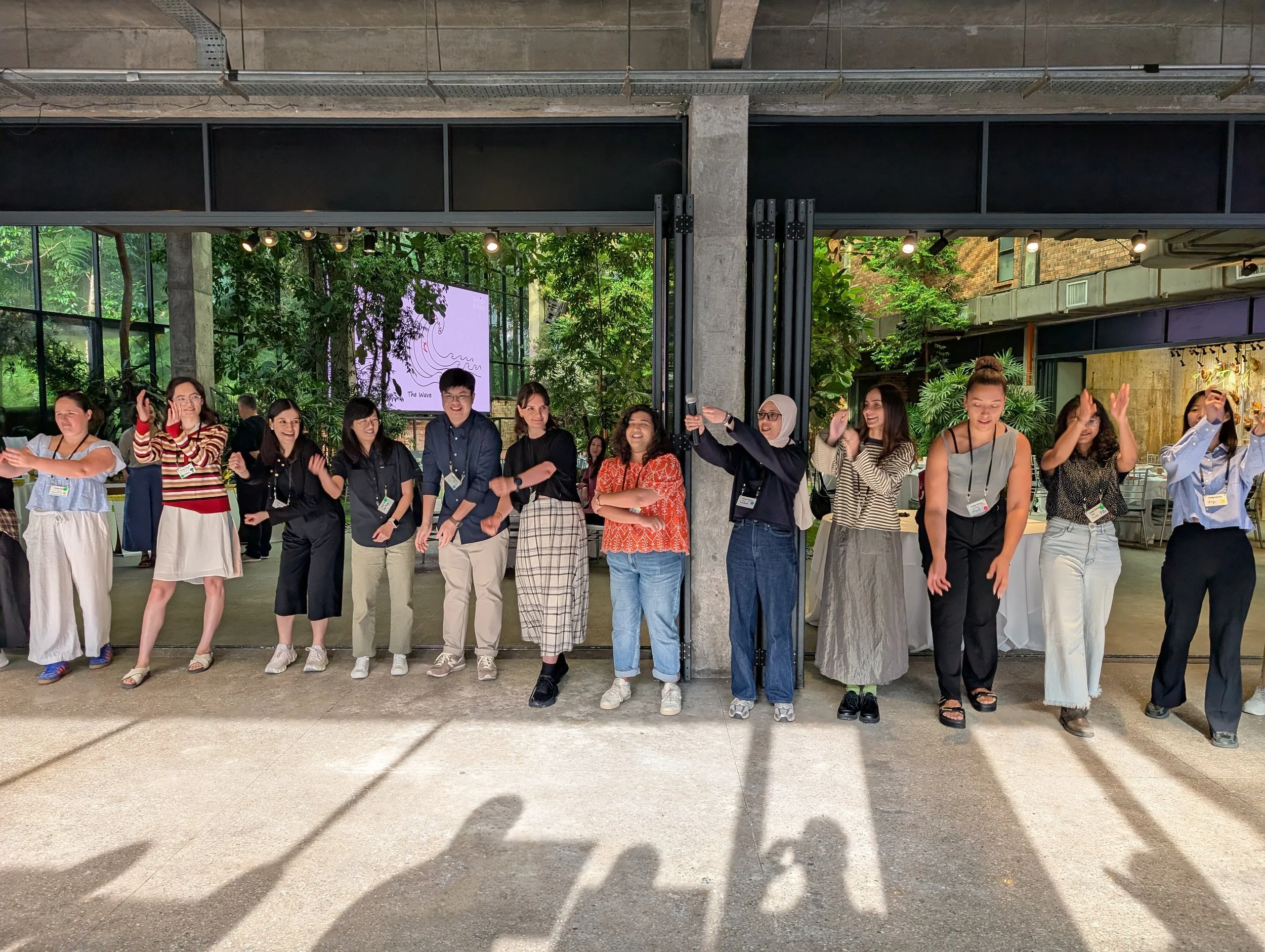
Conversations drifted effortlessly between disciplines. They moved collectively through the room, accumulating shape as they travelled.
Projects are typically remembered through outcomes.
Deliverables.
Deadlines.
Infrastructure photographed once the construction dust settles.
But I now suspect that the most important parts of practice are often the least visible.
The conversation that alters a project before anything is drawn. The pause before consensus.
The trust that allows disagreement to sharpen thinking rather than shut it down.
The willingness to let a question remain open long enough for a better answer to emerge.
Those things just don’t feature in project summaries.
And yet they may determine whether meaningful work becomes possible at all.
It is within this realisation that I begin to comprehend the true value of Arup Design School.
Not simply that it teaches methodologies or frameworks.
But that it creates the conditions for a different way of practising.
Less territorial.
Less performative.
More curious.
More permeable.
Months later, what remains with me most clearly is the feeling of a room full of people thinking carefully together.
Humidity gathering against glass.
Marker ink bleeding through butcher's paper.
Continued conversations.
I entered Design School expecting new tools.
I left with a different relationship to attention.
Less as the act of imposing clarity onto the world.
More as the practice of noticing the relationships already shaping it.
I think this may be one of the most important responsibilities of design.
Not to simplify complexity.
This will stay with me.
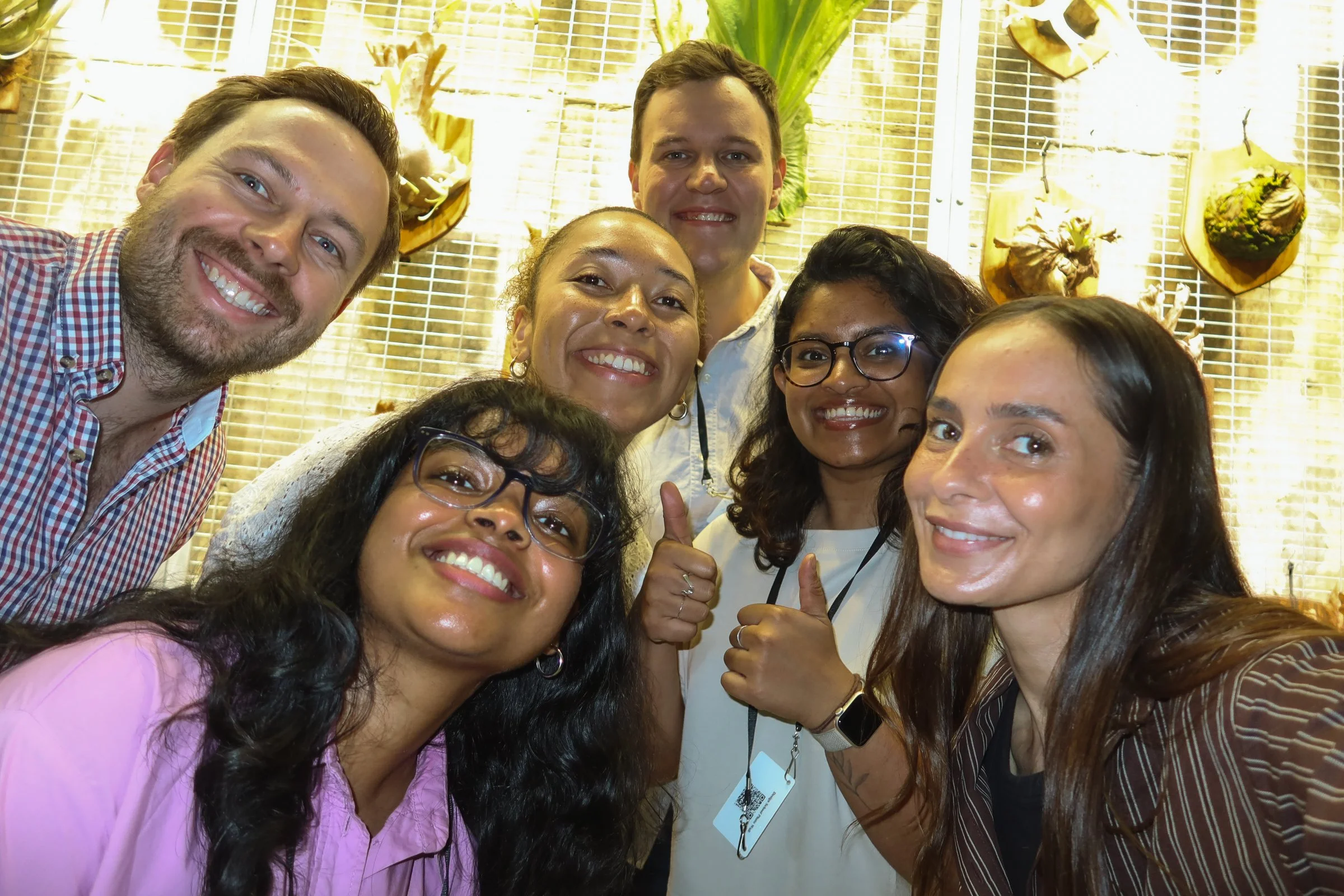
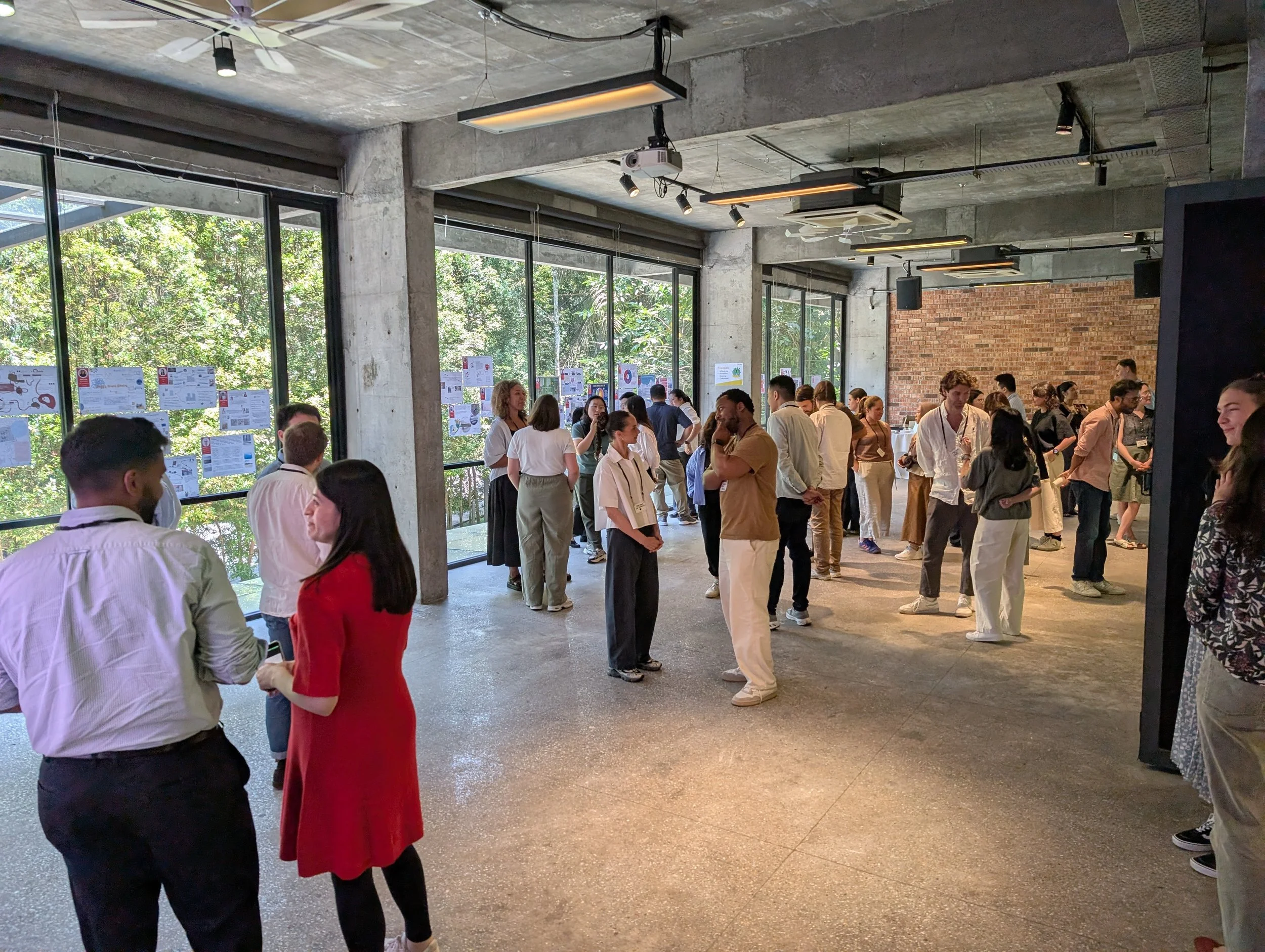
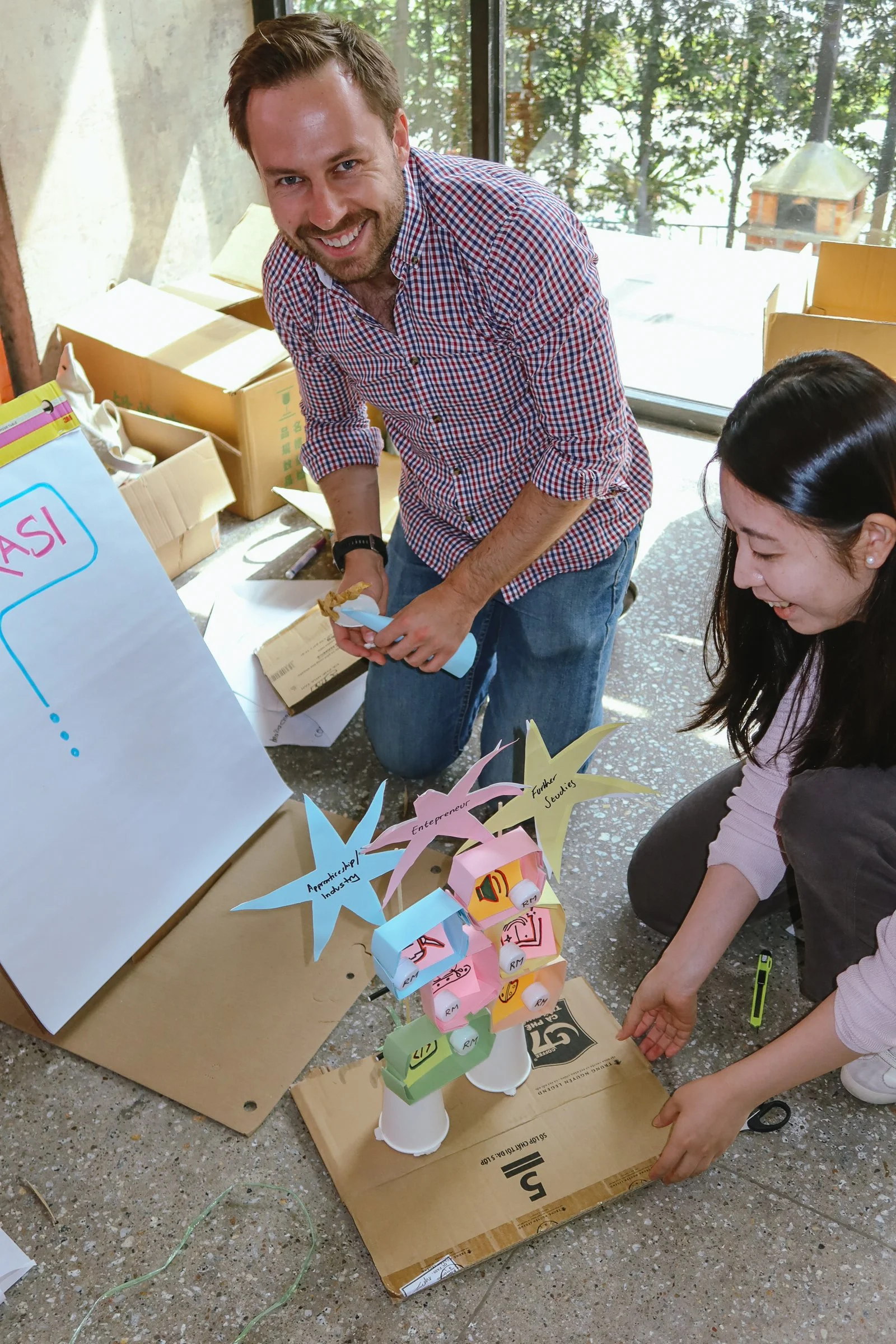
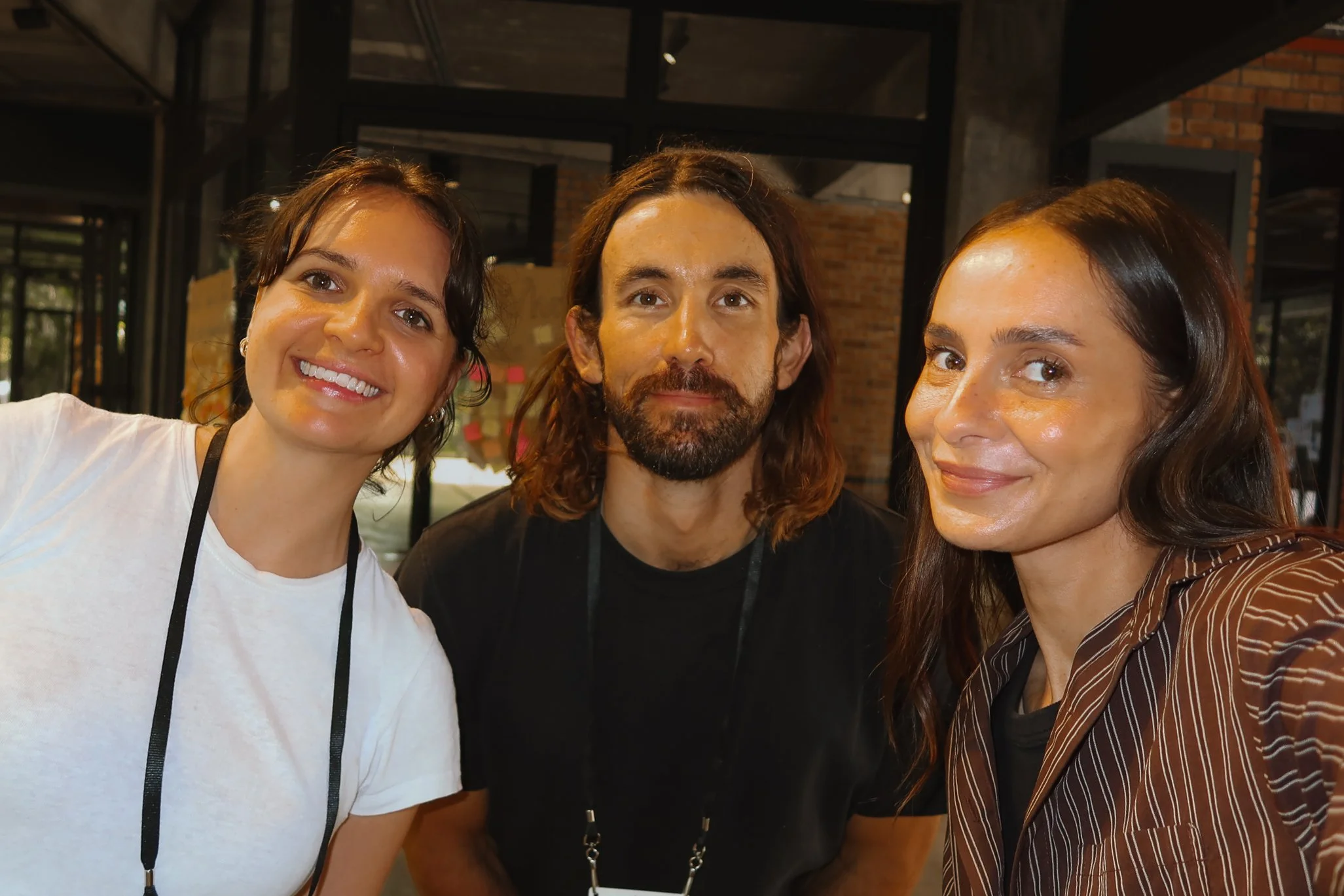
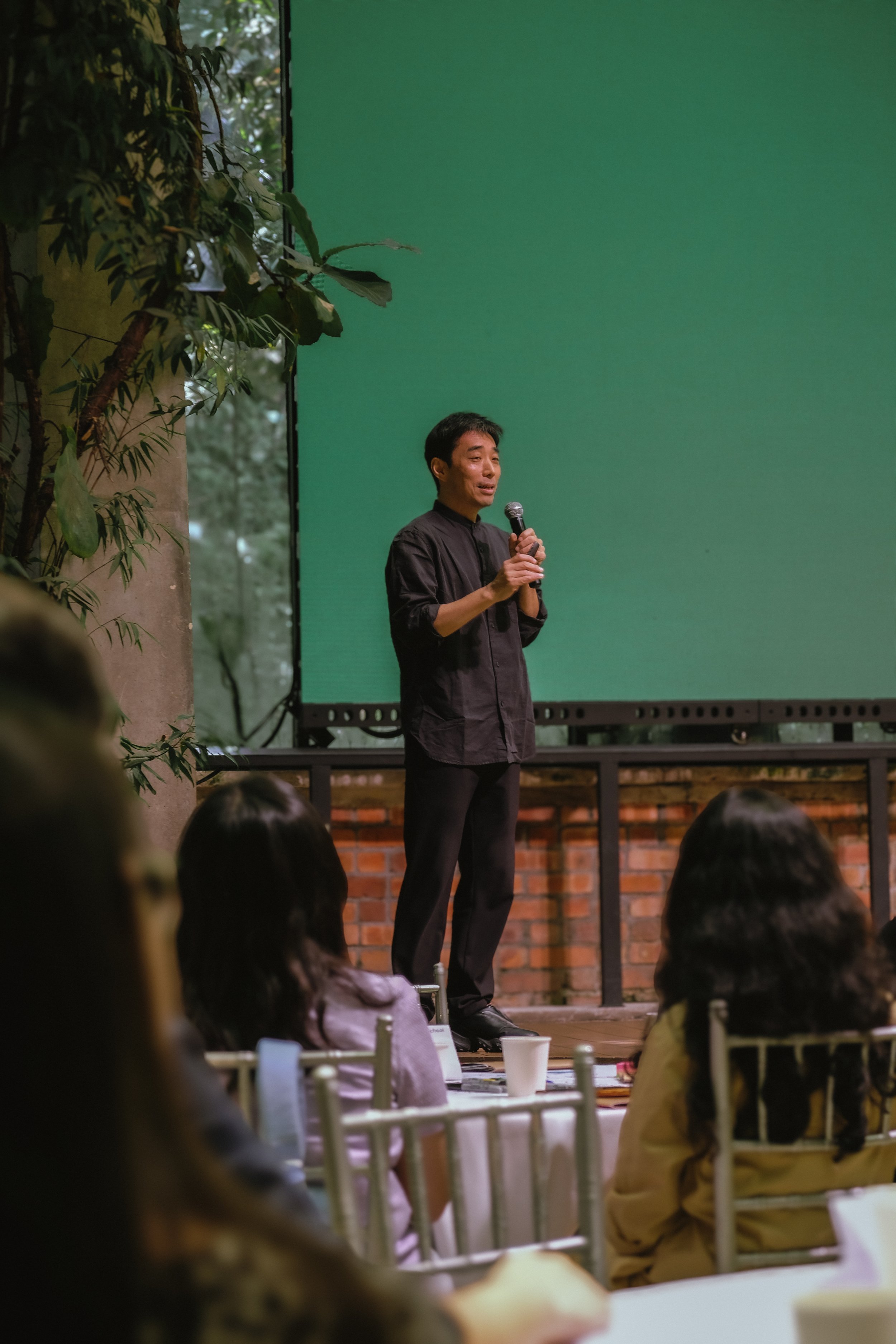
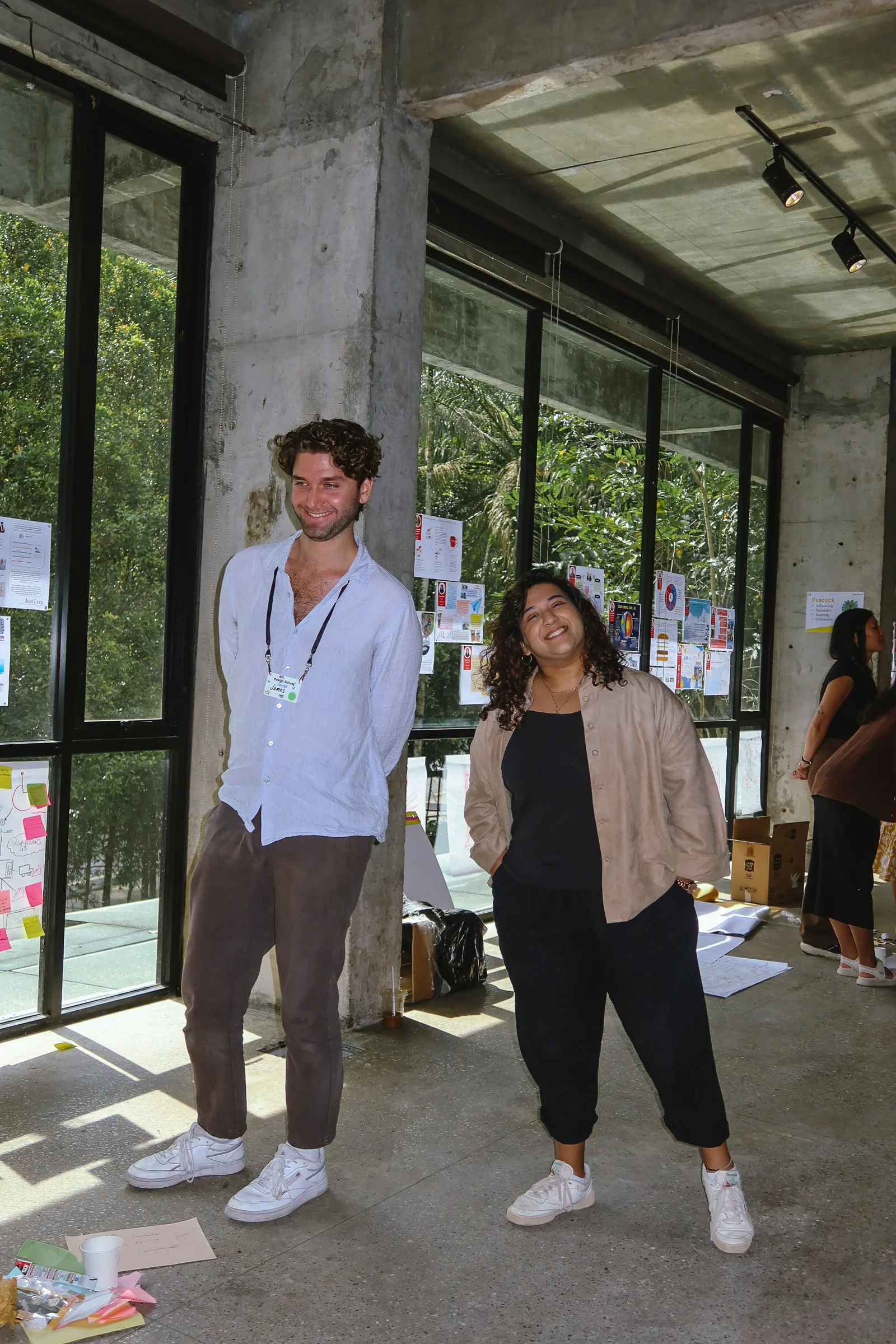
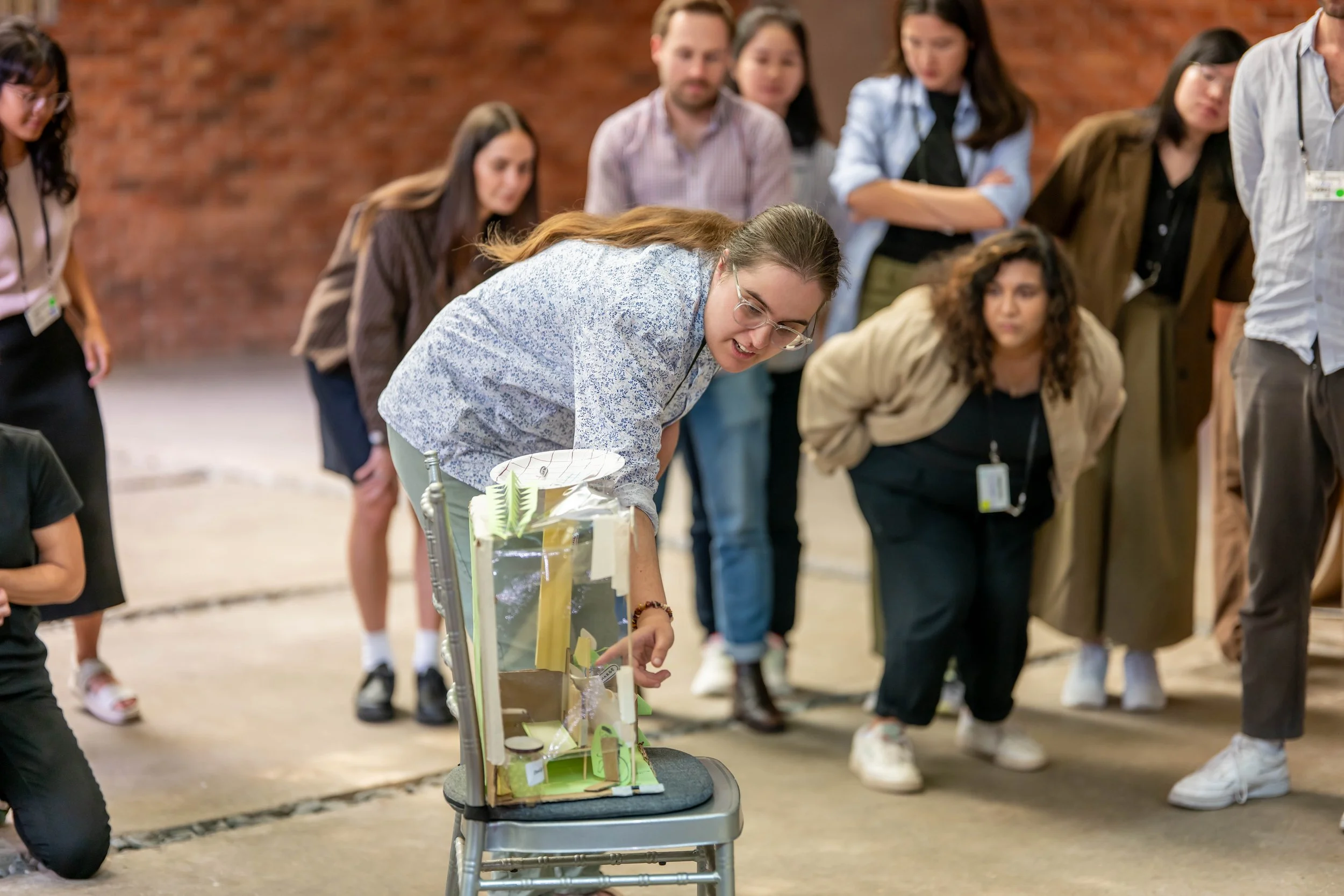
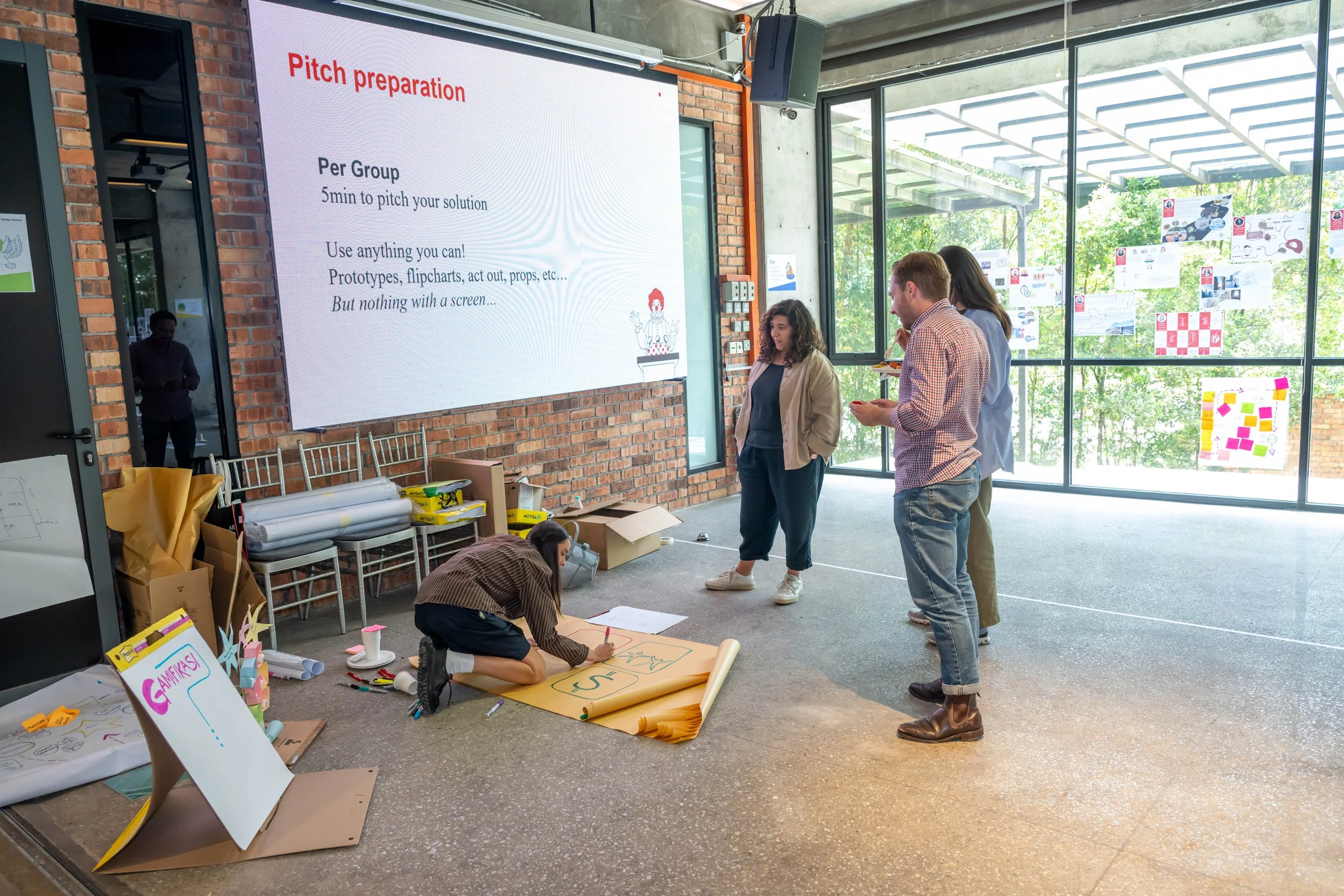
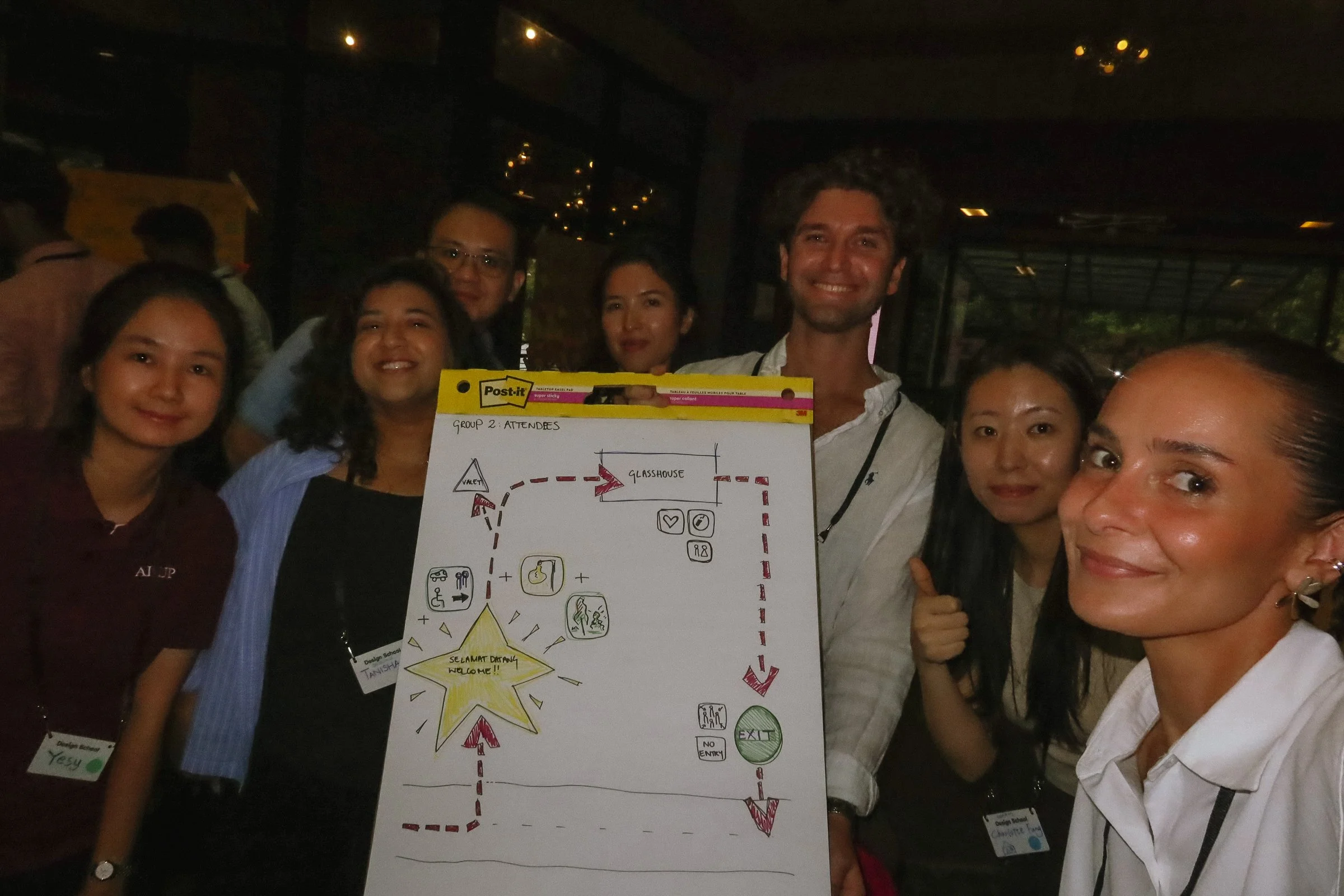
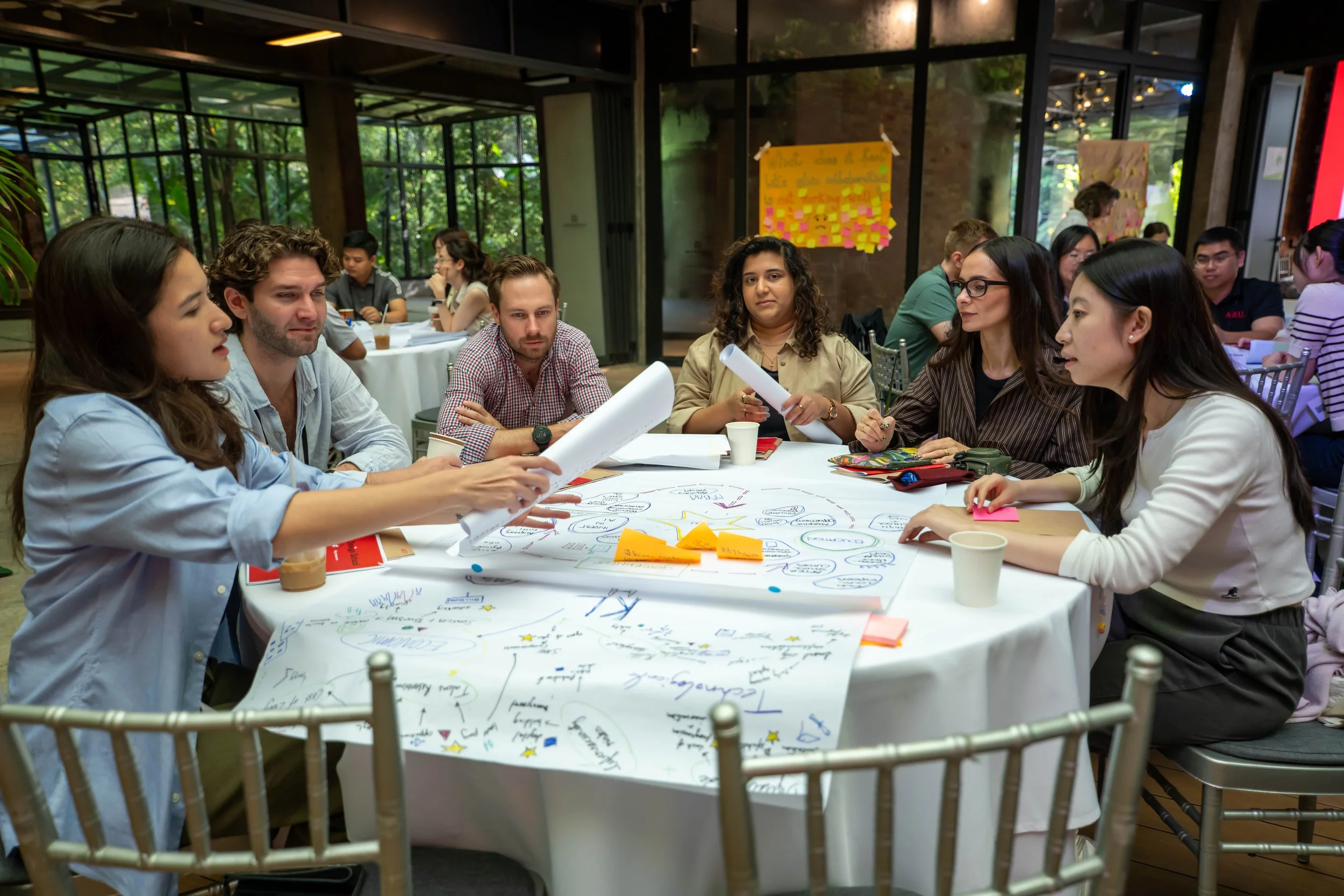
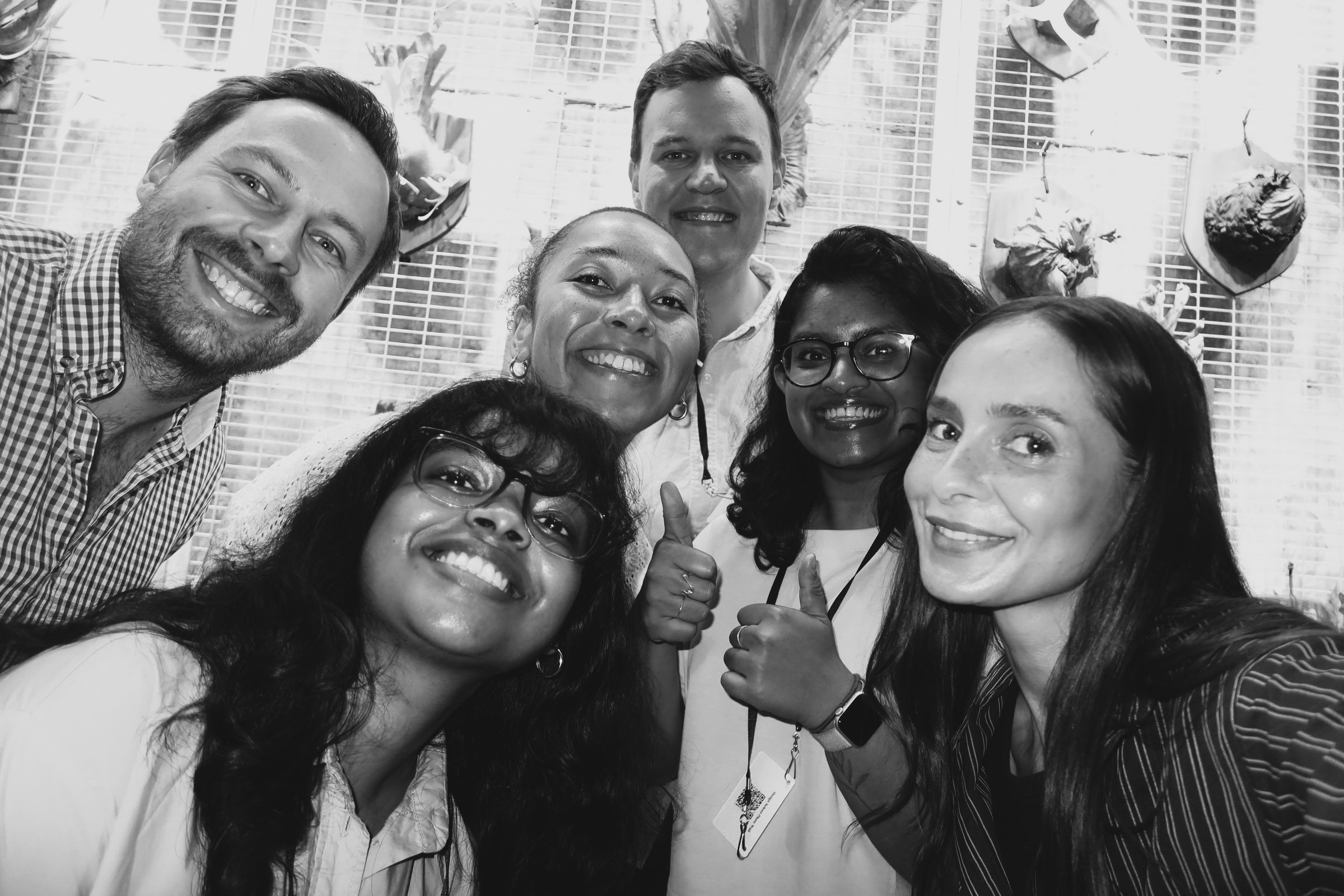
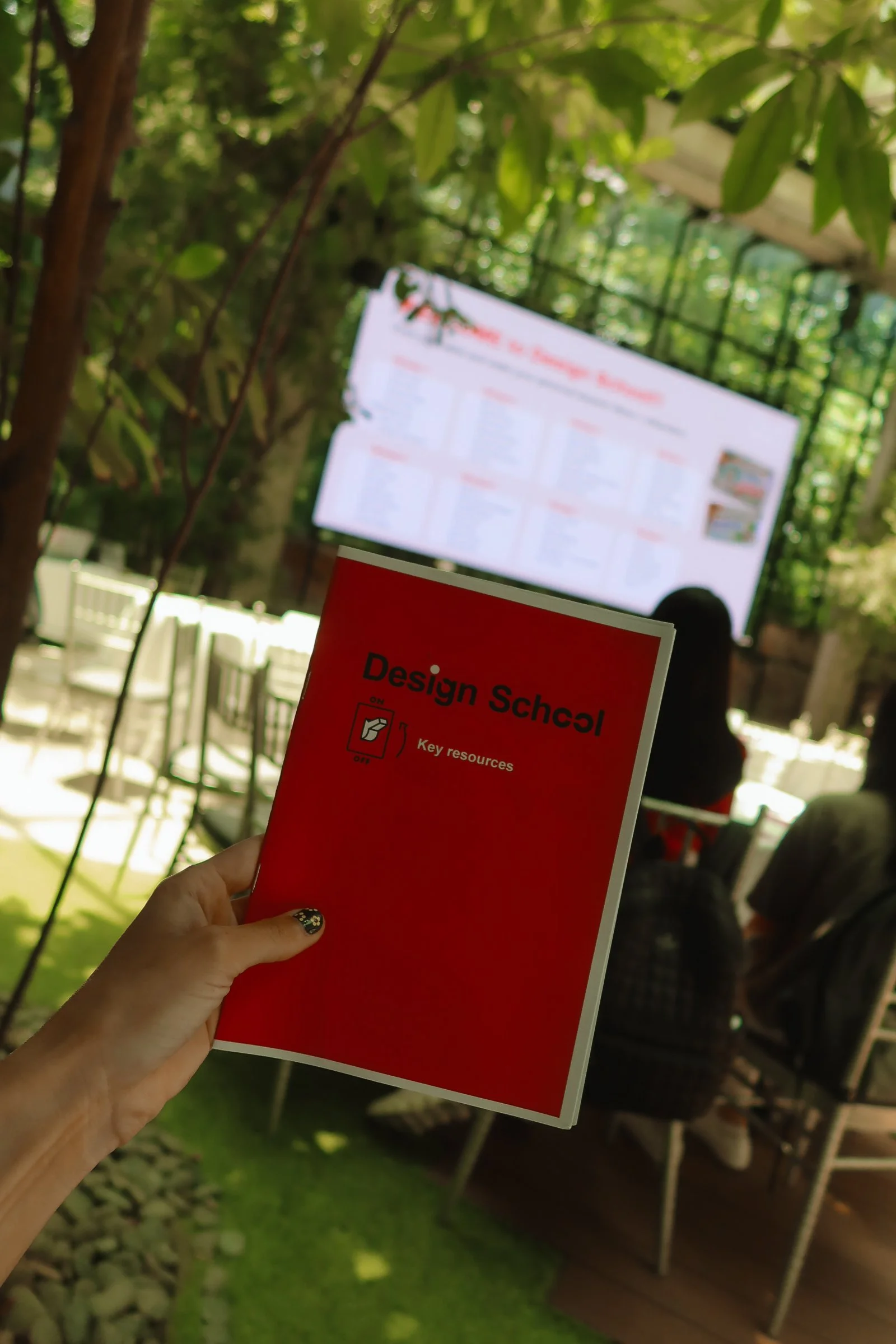
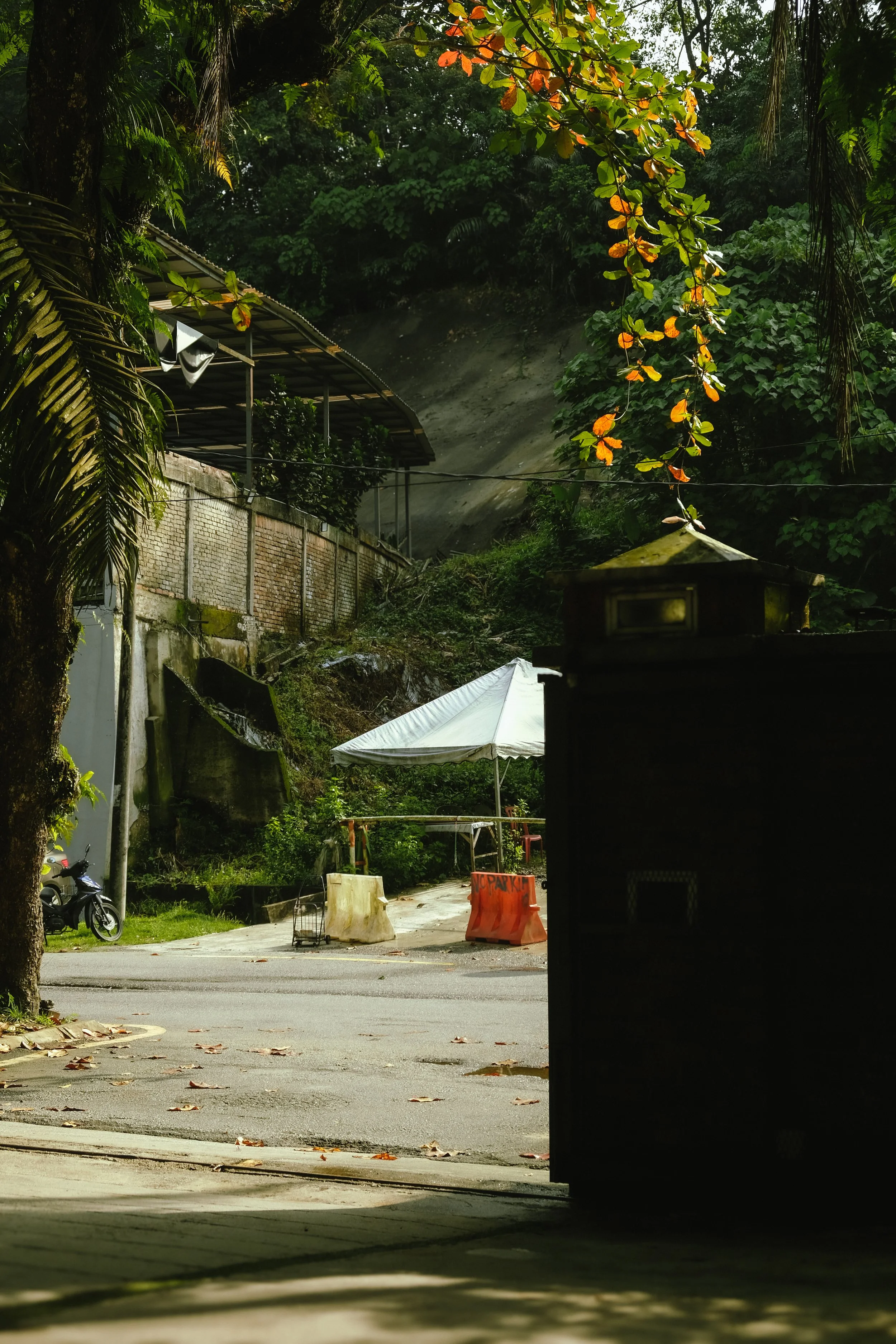
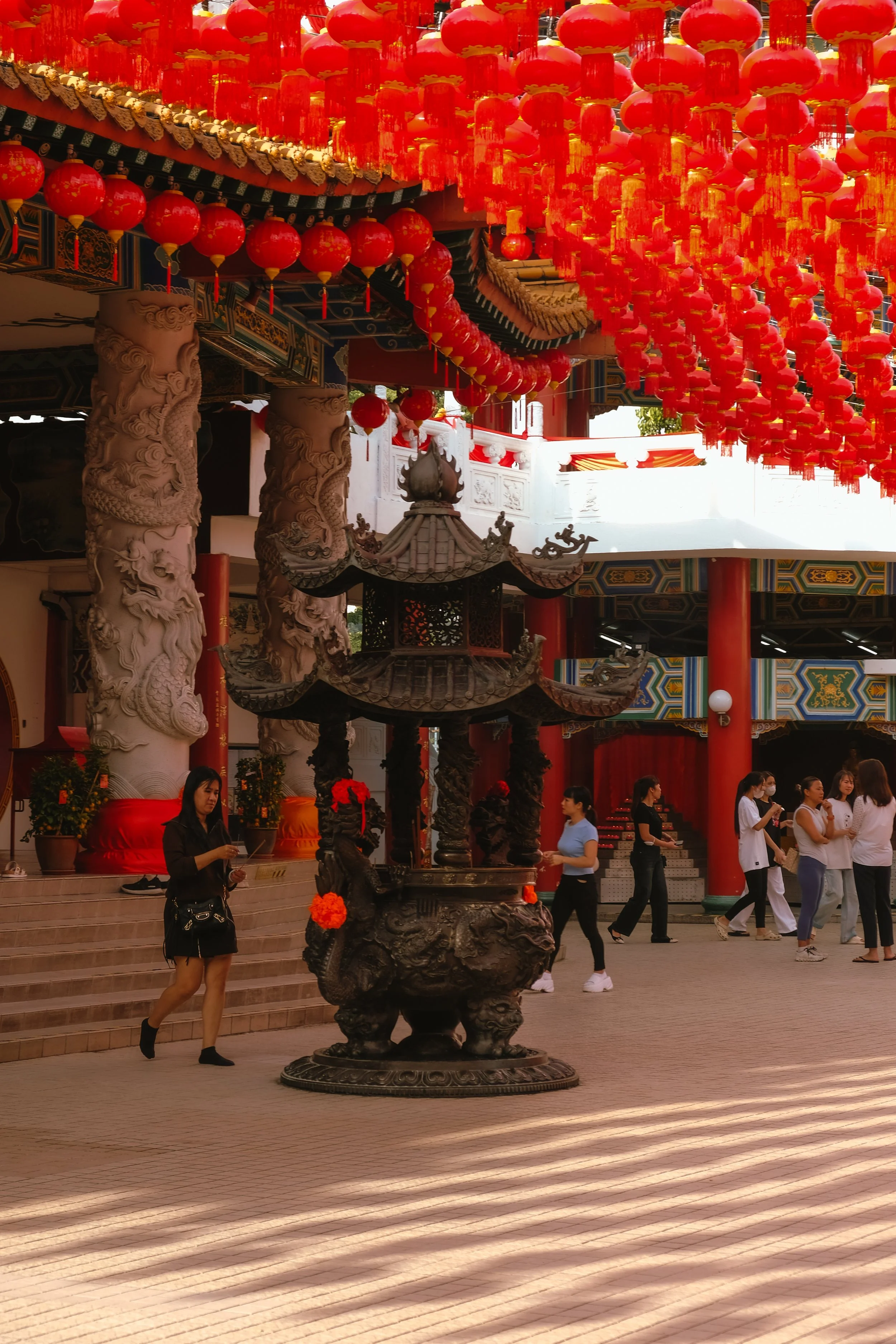
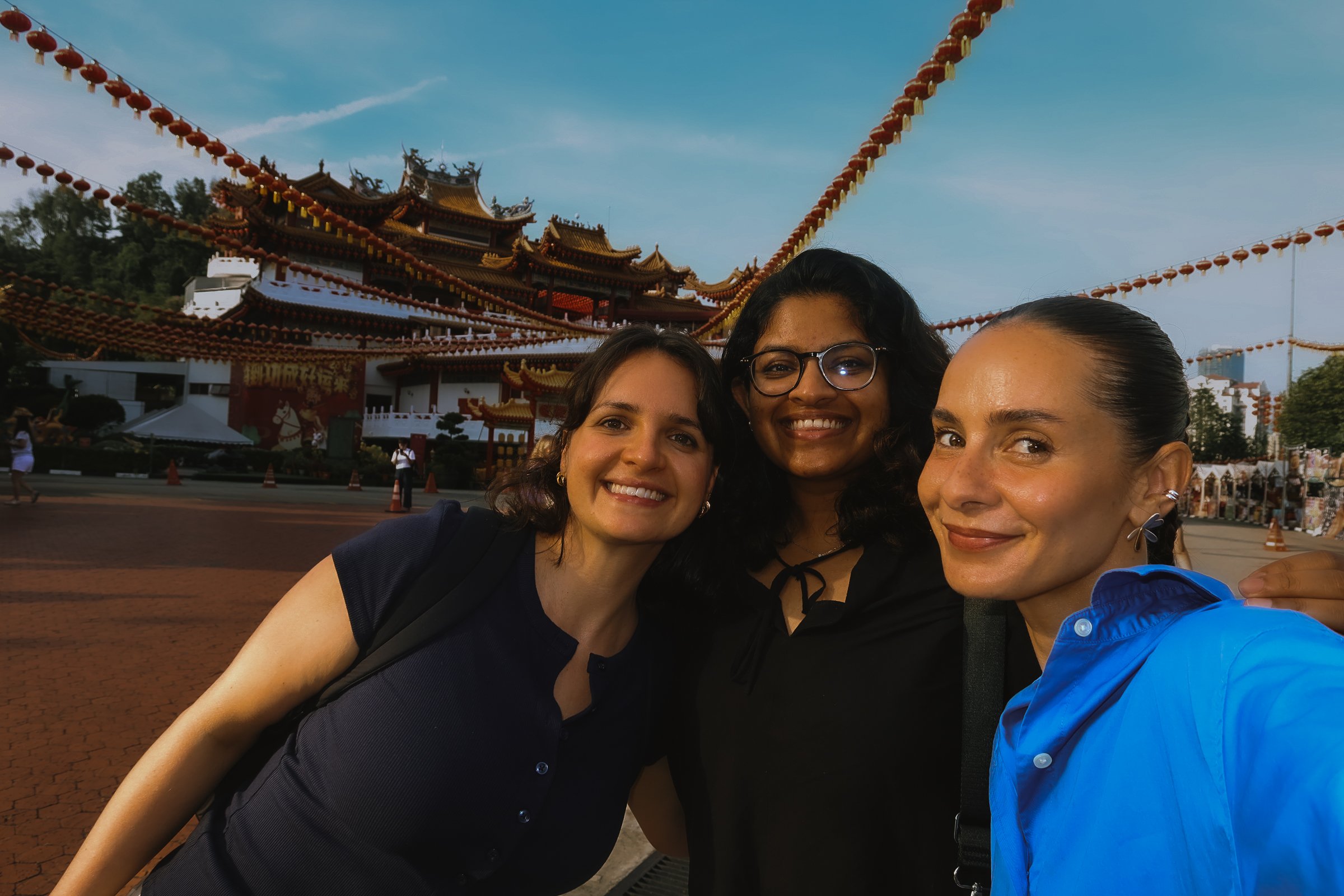
Images are credited to Laz McCormick, fellow design school participants and staff, Andy Leong Photography
Special thanks to the incredible team that hosted this wonderful event, a time was had.